


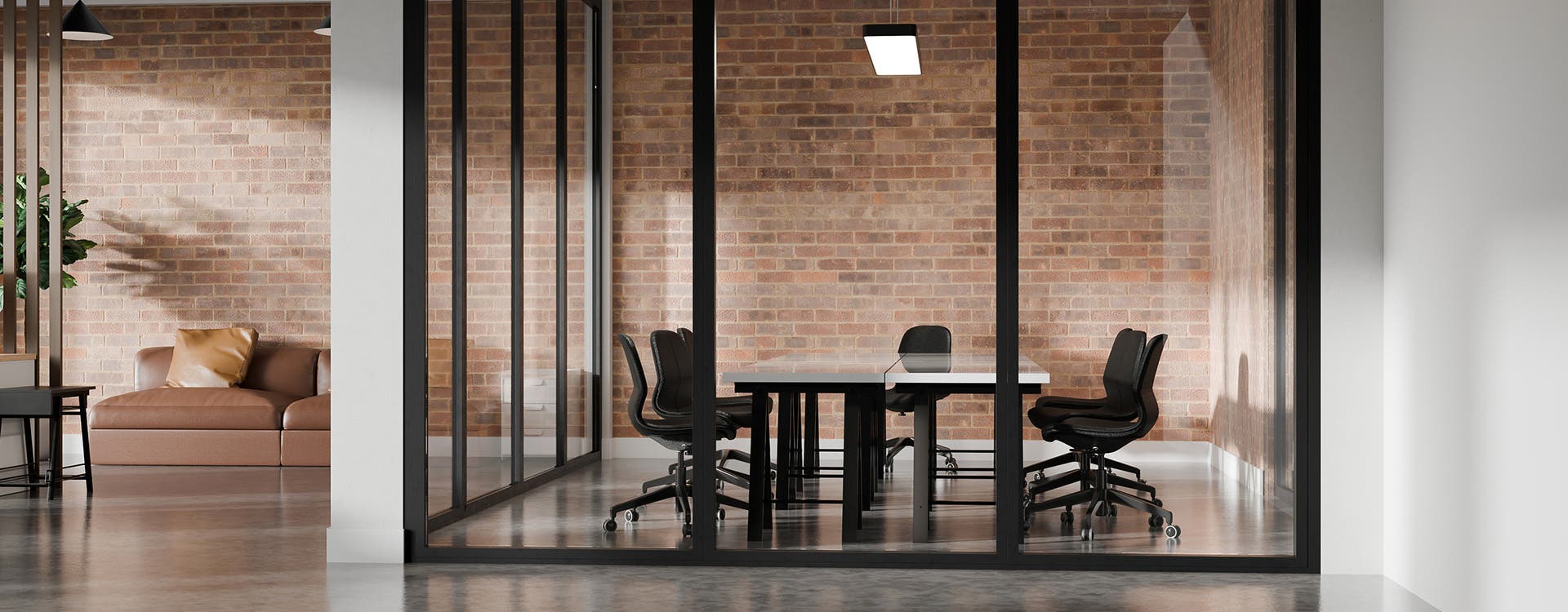
The right back support chair for office work holds your lower back in its natural curve, adjusts to your height, and lets you shift position through the day. Look for adjustable lumbar support, a seat that suits the length of your thighs, a recline with adjustable tension and, if your neck or shoulders tend to ache, a high back with a headrest.
Back pain has a way of sneaking into the workday. It starts as a vague stiffness after lunch, and by evening, it has opinions about every meeting. A well-chosen chair will not make your to-do list any shorter, but it can make the hours feel easier, so you finish the day with energy left for everything that comes after it.
Why Your Back Starts Complaining by 4 PM
Most office back pain does not arrive with a bang. It builds quietly, much like unread emails, through small habits repeated hour after hour. The usual suspects:
-
No lower back support: Without something to fill the curve of your lower back, the spine tends to round into a slouch, and the surrounding muscles work overtime to hold you upright.
-
A chair that does not fit: A seat set too high leaves your feet dangling, while one that is too deep pushes you away from the backrest. Either way, your back loses its support.
-
Staying still for too long: Even good posture gets tiring when held for hours. Your body is built to move, not to play statue through back-to-back meetings, and long stretches without shifting or standing add up.
A screen set too low or armrests that make you shrug can join in too, turning a minor ache into a daily routine.
What Makes an Office Chair Good for Back Support?
A good office chair for back support is one that adjusts to your body, rather than asking your body to adjust to it. Adjustable lumbar support, a recline you can control and a backrest tall enough to reach where you feel discomfort matter far more than plush padding or a premium label. Your spine has never once been impressed by a price tag.
Fit is also personal. A chair that suits a 6 ft colleague may leave a shorter person perched on the edge, feet hovering above the floor. So, try before you buy whenever you can: sit back fully, plant your feet, rest your arms, and stay a few minutes. A chair that feels lovely for thirty seconds and a chair that still feels good at the end of a long day are not always the same chair.
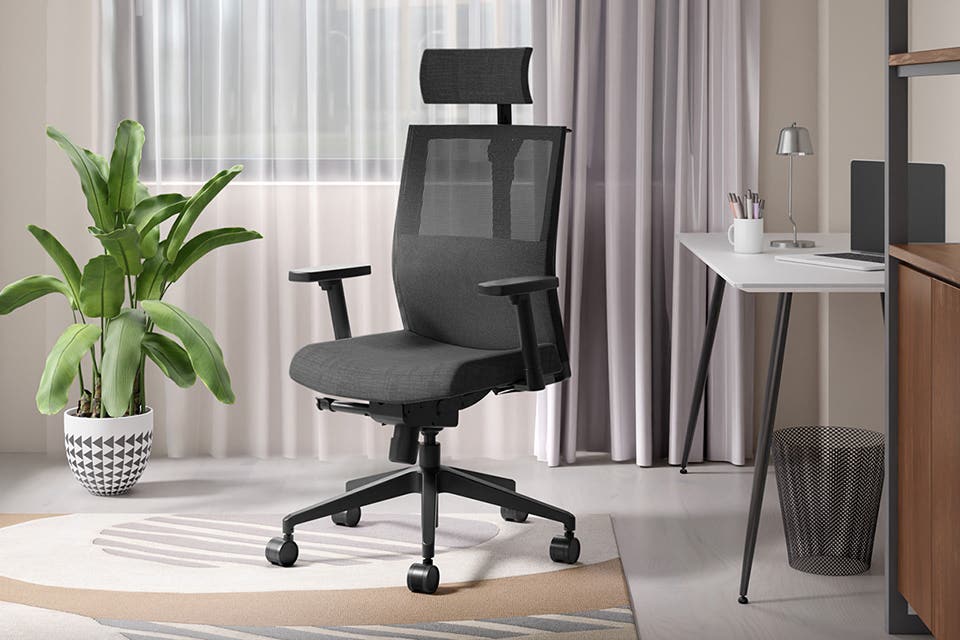
Adjustable lumbar support should sit snugly in the small of your back. The picture shows the Cross Full Back Knitted Fabric Ergonomic Office Chair (Earthstone).
The Features Your Back Will Thank You For
Each of these features takes pressure off a different part of your day. Together, they help you stay supported without having to think about it.
Lumbar support: For lower back comfort, this is one of the most important features to consider. An adjustable lumbar pad should sit snugly in the small of your back, roughly at belt level, so you stay upright without effort. Height adjustment lets you match it to your own spine rather than the average one.
Seat depth: When you sit all the way back, you should be able to fit two or three fingers between the edge of the seat and the back of your knees. Too deep, and you will drift forward away from the backrest. Too shallow, and your thighs will feel unsupported. A seat slider or a contoured front edge helps here.
Recline with adjustable tension: Leaning back now and then shifts the load off your lower back and gives tired muscles a break. Tension control lets the chair match your weight, so it moves with you instead of tipping you back or resisting you. A lock holds a comfortable angle during long calls, especially the ones that could have been an email.
Headrest: If your neck and shoulders take the strain, a headrest gives your head somewhere to rest when you lean back. It matters most when you recline, since your head should balance naturally over your shoulders while you type. Height-adjustable armrests round things off by letting your shoulders relax instead of creeping up towards your ears.
Choosing the Right Office Chair Back Height
The simplest way to decide on back height is to let your back tell you where it needs help. It also helps to think of the backrest and headrest separately: the backrest supports your spine, while the headrest supports your head and neck when you lean back. A taller backrest does not automatically mean better neck support.
-
Discomfort mostly in your lower back: A mid-back chair with good adjustable lumbar support can be enough, provided the backrest reaches at least the lower edge of your shoulder blades.
-
Strain in your upper back, shoulders, or neck: A high-back chair provides support across more of your back and, depending on its height and design, can also support your shoulders and head. If your neck is the main concern, look for an adjustable headrest that meets the base of your skull.
-
Taller than average: Check the backrest height and the headrest’s adjustment range separately before you buy. A backrest that stops halfway up your shoulder blades feels a lot like leaning on a garden fence.
If the chair will be shared, or your days tend to stretch long, a high-back chair with an adjustable headrest is the safer all-rounder.
 A high back and adjustable headrest can support the upper back, neck, and shoulders.
Top Picks for a Well-Supported Back
Once you know where you need support, choosing a chair becomes much easier. These models each suit a different back-support need.
For Targeted Lower Back Support
The Aero High Back Ergonomic Office Chair is built around its adjustable lumbar pad, which adjusts to your lower back for support that feels personal. Its breathable mesh back keeps you cool, the centre-tilt mechanism with adjustable tension lets you lean back at your own pace and height-adjustable arms keep your shoulders at ease. It comes in Earthstone and Black Ink.
For Neck and Shoulder Relief
If tension tends to settle around your neck, the Greta 2.0 High Back Ergonomic Office Chair adds a cushioned headrest to a tall backrest, giving your head and shoulders somewhere to rest between tasks. Adjustable armrests complete the picture, and a choice of Black Ink, Milan Red and Royal Blue means support does not have to look serious.
For a Cushioned, Executive Feel
The Prime High Back Ergonomic Office Chair pairs a quilted back with a centre-tilt mechanism and adjustable tension for support that feels soft yet steady. A seat height range of 45.5 to 55.5 cm suits a wide range of desks and users, and the Saddle Brown finish brings a warm, polished look to any workspace.
Want another option with height-adjustable lumbar support and a knitted mesh back? The Vurv High Back Ergonomic Office Chair is worth a look.
Give Your Back a Better Workday
Your back carries you through every deadline, presentation and late-night idea, and it has never once asked for a day off. Giving it the right support can make long workdays more comfortable and help you stay focused on what matters. Explore Interio’s range of ergonomic office chairs online or at a store near you and find the one that truly has your back.