


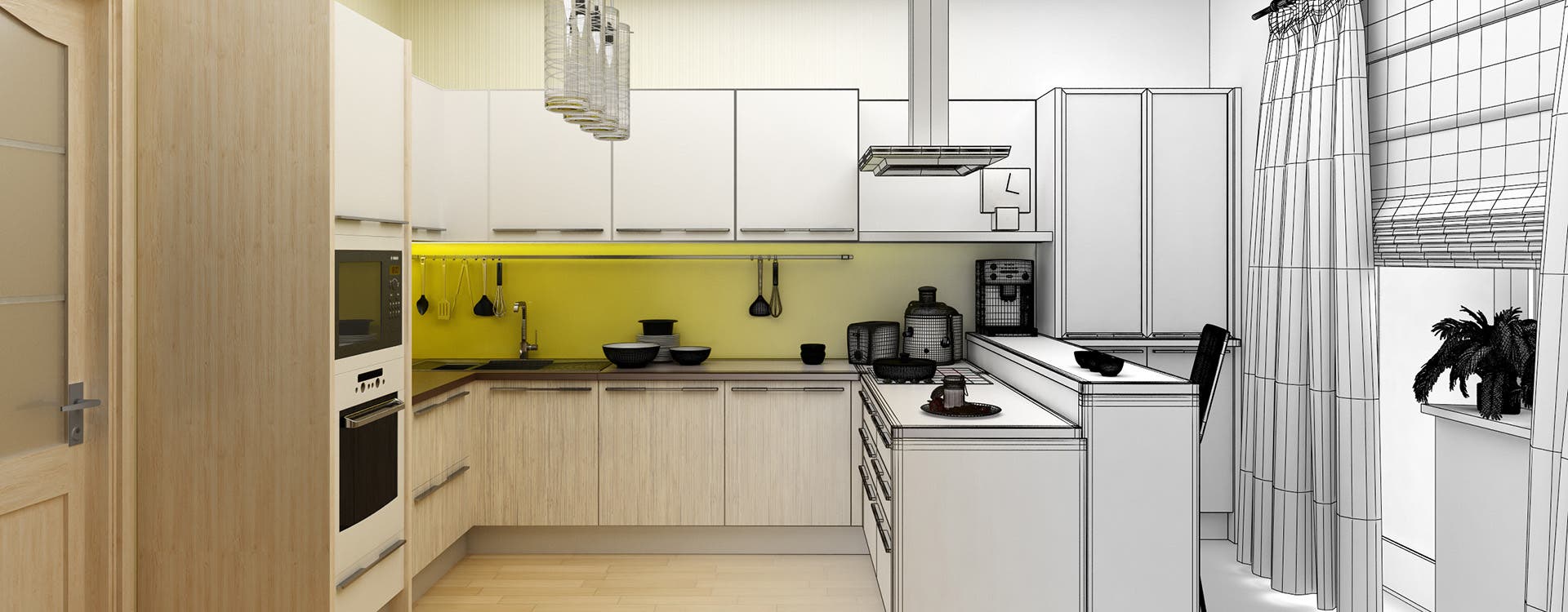
There’s a moment in every kitchen renovation where excitement meets a spreadsheet. It’s easy to fall for the finishes, the layouts, and the mood boards, and just as easy to lose sight of what it’ll all actually cost. A little planning early on means you get to enjoy the process, not stress through it.
How Much Does a Modular Kitchen Renovation Cost?
There’s a real relief that comes from swapping a vague worry about cost for an actual number you can plan around. As a general sense of modular kitchen renovation cost, here’s what most homeowners can expect, broken down by tier:
- Basic modular kitchen: A straightforward layout with laminate finishes and standard fittings, typically around ₹1-2 lakh for a compact kitchen.
- Mid-range modular kitchen: Better hardware, a mix of laminate and acrylic finishes, and a few customised storage solutions, usually landing between ₹2.5-4.5 lakh.
- Premium modular kitchen: High-end finishes, full customisation, branded appliances, and smart storage throughout, generally ₹5-8 lakh and upward, with no strict ceiling.
In terms of modular kitchen price per square foot, this commonly works out to around ₹1,200-1,500 at the basic end and can go beyond ₹5,000 for premium materials and branded hardware. A modular kitchen cost calculator can give you a useful starting estimate once you’ve settled on your layout, size and finishes, helping reduce some of the guesswork before you request a detailed quotation.
These are broad, commonly cited ranges rather than fixed prices; your actual costs will vary based on factors you’ll read about below.
Modular Kitchen Renovation Cost Breakdown
A total number is useful, but understanding where it actually goes is what lets you feel in control of your budget rather than just informed by it.
- Cabinetry and shutters: By far the largest share of most budgets, commonly cited at around 60-70% of the total, since this covers the carcass, the shutters, and the specific material and finish you choose.
- Hardware and fittings: Hinges, channels, pull-out baskets, and corner units typically make up somewhere between 10-20%, more if you choose premium imported brands.
- Countertop: Usually around 10-15%, with the material doing most of the work, granite sits at the lower end, while quartz or imported stone pushes it higher.
- Appliances: Chimney, hob, oven, and similar are generally budgeted separately, since costs vary enormously by brand, from a basic essential set to a fully branded premium suite.
- Sink, tap and lighting: Typically, the smallest line item, though a composite sink or a designer tap can affect final costs by a bit.
Treat this as a starting point for conversations with your designer rather than a fixed formula; these shares shift meaningfully based on your material choices, and your own priorities should ultimately move the numbers.
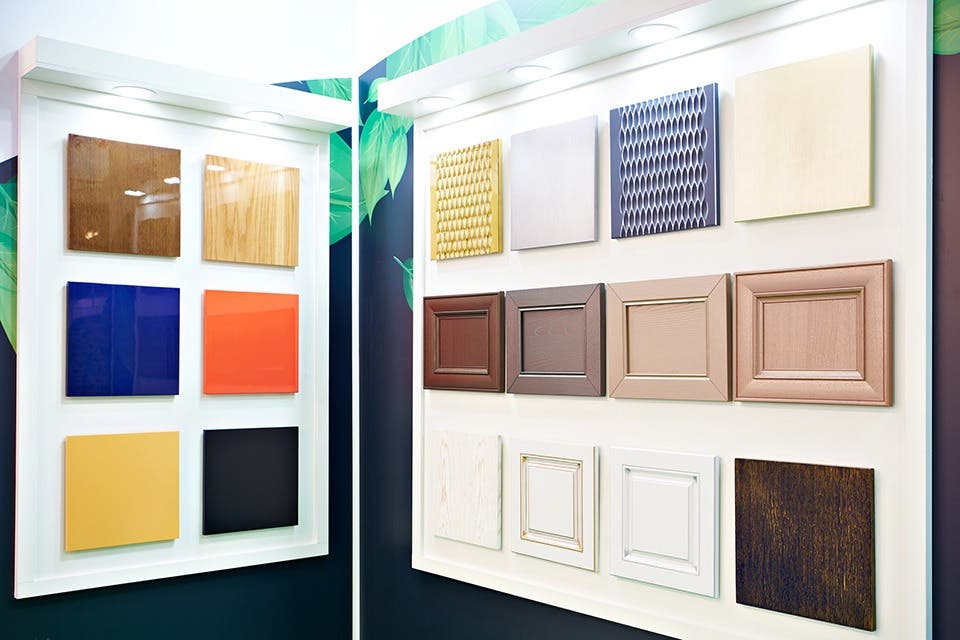 Cabinetry and shutters typically account for the largest share of a modular kitchen budget.
Key Factors That Affect Modular Kitchen Renovation Costs
Two kitchens of the same size can land on very different final numbers, and it usually comes down to a handful of variables. A few factors shape your modular kitchen renovation cost more than anything else:
- Materials and finishes: Laminate, acrylic, and veneer all come at different price points, and this is often where costs shift the most.
- Kitchen layout: A straight-line kitchen typically costs the least, simply because there’s less cabinetry and counter space involved. However, this comes down to the layout of your room and home, so you may not have too much freedom of choice here.
- Appliances, hardware and fittings: Soft-close hinges, pull-out baskets, in-built appliances and premium channels add comfort and longevity, but they do add to the bill.
- Customisation: Standard modular sizes are more economical. The more bespoke your kitchen, the more it tends to cost.
- How to Set a Realistic Budget for Your Kitchen Renovation
Before you fall for a single finish or fitting, it helps to get a clear number in place that’s based on your specific space and circumstances, not a generic average. Getting this right early is often what turns a renovation from something you’re anxious about into something you’re genuinely excited for.
This is really what modular kitchen budget planning comes down to:
- Consider your renovation goals: Decide how much you want to renovate and prioritise the changes that matter most to you.
- Work with your savings: Set a budget that aligns with what you can comfortably afford, without stretching your finances.
- Set a realistic range, not a fixed number: Renovations often come with a few surprises. Building in a buffer of 10-15% helps you handle them without stress.
- Get multiple quotes: Comparing modular kitchen renovation costs across two or three providers gives you a clearer sense of fair pricing for your specific space and city.
- Ask what’s included: Installation, appliances, and warranty terms can vary significantly between quotes, so always clarify what the final number actually covers.
- Plan for the full picture: Don’t forget plumbing, electrical work, and any civil changes. These are easy to overlook but can add meaningfully to your total spend.
Once this number feels solid and realistic, everything else in your renovation gets a lot less stressful to plan around.
How to Prioritise Kitchen Renovation Expenses
With a budget in place, the next question is allocation. The best approach is to prioritise what affects how your kitchen works, lasts, and fits into your everyday life:
- Prioritise function over visuals: Don’t skimp on essentials such as electrical work, plumbing and hardware just to spend more on finishes or decorative elements. Prioritise the skeleton for the structure to be sound.
- Invest in quality where it matters: Choose durable hardware, fittings and materials suited to how you use your kitchen. If you cook frequently, for example, opt for better-quality hardware that can withstand rigorous daily use for longer.
- Consider your environment: Your city’s climate can influence your choices. In humid conditions, for instance, moisture-resistant materials and finishes may be worth prioritising.
A little structure here means you’re making trade-offs on your own terms, not scrambling to make them under a salesperson’s spotlight.
Ways to Save Money on a Modular Kitchen Renovation
- Affordable modular kitchen ideas with a limited budget don’t have to mean a limited-looking kitchen. A stylish yet low budget modular kitchen design comes down to smart choices rather than big spending.
- Know your priorities before you shop: Separate essential features from nice-to-haves and decide what matters most before visiting showrooms. This helps you focus your budget and avoid costly impulse upgrades.
- Choose laminate over acrylic or veneer: Laminate finishes have come a long way and can offer a wide range of colours and textures at a lower cost than many premium finishes.
- Keep the layout simple: A straight-line or L-shaped kitchen naturally costs less than a U-shaped or island, without giving up on function. Not all your space has to be used, so if a simpler layout helps control costs, don’t hesitate to consider it.
- Standardise where you can: Sticking to standard cabinet sizes, rather than fully custom dimensions, keeps costs predictable and avoids the premium that comes with bespoke work.
- Defer decorative extras: Things like ornamental trims, accent lighting, or a decorative backsplash can always be added later, once the essentials are in place.
- Time your purchase carefully: If your renovation timeline is flexible, compare current offers and promotions before committing.
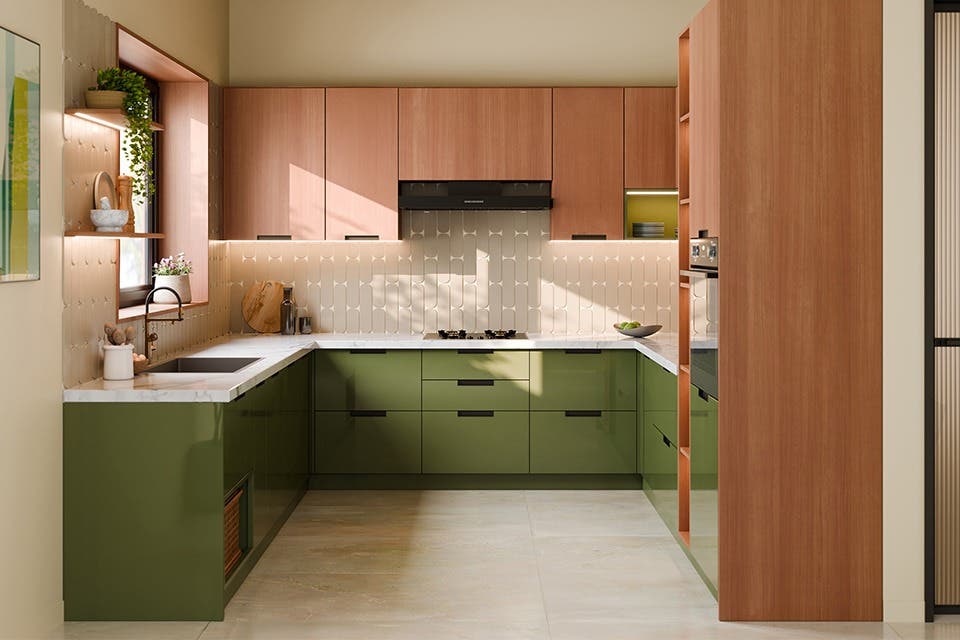 Smart material and layout choices can bring down cost without bringing down the design.
Where to Spend More on a Modular Kitchen
Just as some things are easy to save on, a few are genuinely worth stretching your budget for… not because they look impressive on day one, but because they affect your kitchen long after the initial excitement of a new finish has faded.
- Hardware and fittings: Good hinges, channels and soft-close mechanisms affect how your kitchen feels every time you open a door or drawer, far more than most people expect going in.
- The countertop: It’s the surface you’ll use most, for prepping, serving, and everything in between, so it’s worth choosing one that holds up to daily wear.
- Ventilation, especially the chimney: A well-performing chimney protects your cabinets and walls from grease build-up over years, which quietly affects how long everything else lasts.
- Storage you’ll actually use daily: Accessories like a Magic Corner or D-Tray can justify their cost when they solve a genuine storage problem and make everyday access easier.
- Installation quality: Even excellent materials can underperform with poor fitting, so a skilled installer is rarely the place to cut corners.
Common Budgeting Mistakes to Avoid During Kitchen Renovation
Nearly every homeowner learns at least one of these the hard way, and there’s no shame in it; renovations move fast and it’s easy to lose track. A few patterns keep showing up in kitchens that go over budget, and most are avoidable once you know to watch for them:
- Splurging on statement materials before the basics: Italian marble countertops look stunning, but if it means going short on hardware or storage to afford them, the kitchen ends up looking expensive while functioning poorly.
- Chasing trends over durability: A finish that looks current today may not age as well as a timeless, durable choice, and refinishing later almost always costs more than choosing well the first time.
- Treating cheaper as the same as more affordable: A low-cost material that needs replacing within a few years often ends up costing more over the life of the kitchen than a slightly pricier one that lasts.
- Letting showroom impulse upgrades override your plan: It’s easy to get carried away under the fancy lights and pressure of the showroom, which is why doing your homework and keeping your priorities set is necessary.
- Underestimating how accessories add up: Individual add-ons, an extra pull-out here, a premium hinge there… each feels minor on its own but can noticeably shift your total once they’re all added together.
A Kitchen That Fits Your Life, and Your Budget
Budgeting for a modular kitchen renovation isn’t about spending as little as possible; it’s about spending intentionally. When you understand where your money goes, you can make choices that reflect what actually matters to you, whether that’s a stunning island counter or simply a kitchen that works beautifully, every single day.
At Interio, we design modular kitchens across every budget, without ever compromising on the quality you deserve. Explore our range online or in-store, and let’s plan a kitchen renovation that feels good from the very first estimate to the very last meal you cook in it.