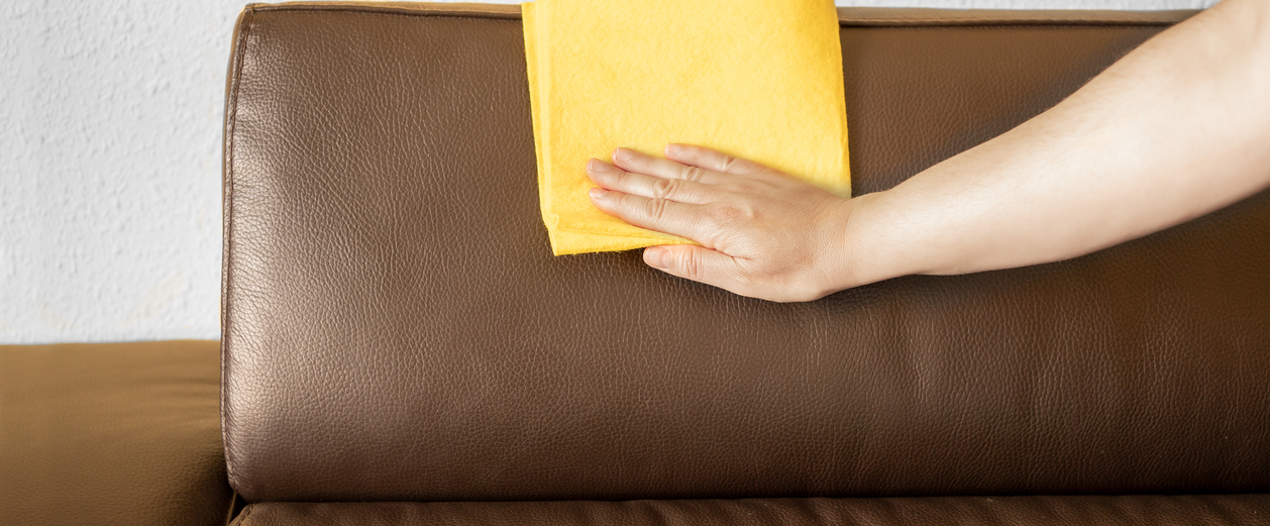
Leather is one of those materials that rewards good care. The sooner you deal with spills and the more regularly you maintain it, the longer it keeps its natural beauty, softness, and character. This guide of a few simple habits and the right cleaning methods will keep your leather sofa looking its best under your living room spotlight.
A Little Care Goes a Long Way
Leather gives back far more than it asks for. It stays stylish through changing trends and grows more characterful with time. All it really needs in return is a little regular care.
Before you begin cleaning:
-
Check your sofa’s warranty; if still covered, using any sort of cleaner may declare it void.
-
Vacuum the sofa with a soft brush attachment, paying attention to seams and creases.
-
Avoid cleaners containing bleach or ammonia, and always test any product on a small, hidden area first.
-
Use a slightly damp cloth for cleaning and avoid sanitising wipes or sprays, which can damage the finish.
With regular use, it’s also worth building a few simple maintenance habits into your routine. Dust the sofa weekly with a soft microfibre cloth and condition the leather periodically, following the manufacturer’s recommendations. If you own a leather recliner or a sofa with built-in storage, gently vacuum around moving parts and wipe storage compartments regularly.
Did you know? Leather naturally develops character over time. Regular cleaning and conditioning help it age beautifully while reducing the risk of fading and cracks.
 Your leather sofa can stay looking as good as new for years with regular maintenance.
Dealing with the Stains of Everyday Living
Different stains need different cleaning methods, but one rule always stays the same: act as quickly as possible. Fresh stains are usually much easier to remove than those left to dry
Water Stains
Water may seem harmless, but once it dries it can leave noticeable rings or discolouration on leather.
You’ll need
-
Soft microfibre cloth
-
Distilled water
-
Leather conditioner
Lightly dampen a microfibre cloth with distilled water and gently wipe the stained area until the mark begins to fade. Allow the leather to air dry naturally before applying a leather conditioner to restore its softness.
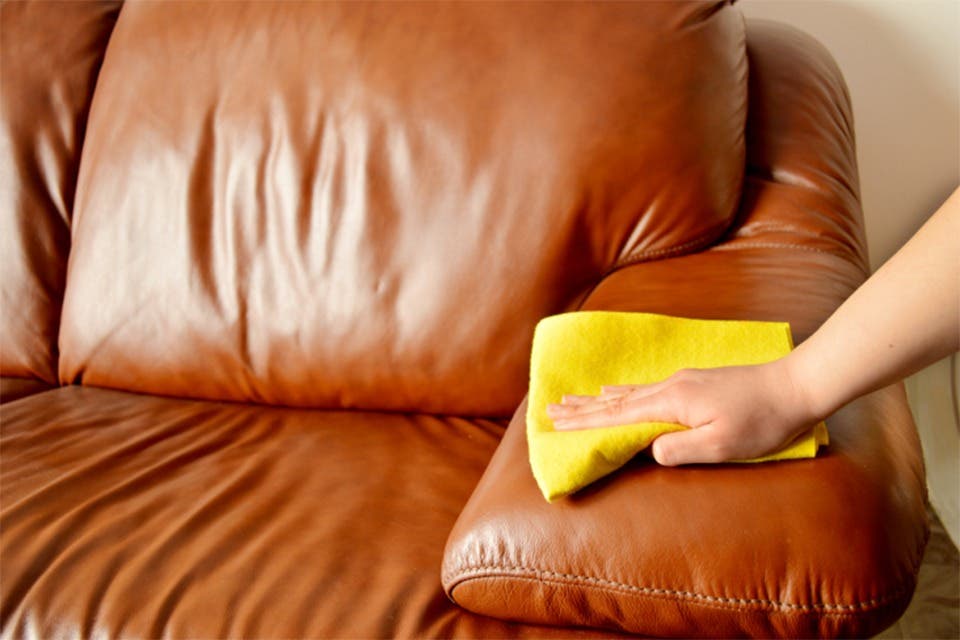 Quick action helps prevent water stains from settling into leather.
Tea and Coffee Stains
Sometimes, a lazy chai or coffee break can get out of hand, quite literally. The key is to blot the spill immediately before it has time to soak into the leather.
You’ll need
-
Mild dish soap
-
Water
-
White vinegar (for dried stains)
-
Soft cloth
-
Leather conditioner
For fresh stains, gently wipe the area using a cloth dampened with mild soapy water.
If the stain has dried, blot it with a mixture of water and white vinegar before wiping again with a clean damp cloth. Allow the leather to dry naturally before conditioning it.
Oil and Grease Stains
Movie nights and family meals sometimes leave behind more than happy memories. Fortunately, grease stains can often come off with a little patience.
You’ll need
-
Microfibre cloth
-
Baking soda or talcum powder
-
Soft brush
-
Leather cleaner
-
Water
-
Leather conditioner
Blot away as much oil as possible without rubbing. Sprinkle baking soda or talcum powder over the stain and leave it overnight to absorb the remaining grease. Brush away the powder before wiping the area with a damp cloth and leather cleaner. Once dry, apply leather conditioner. Use the same treatment to remove hair or body oils.
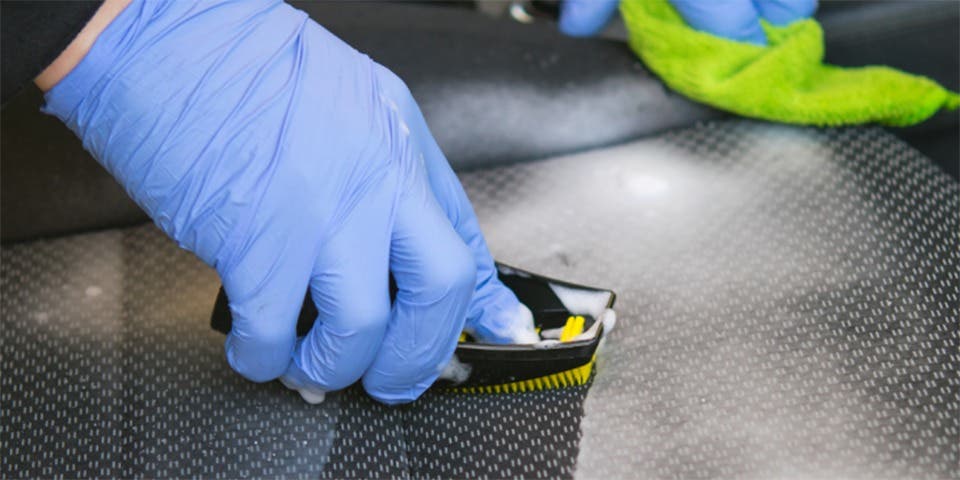 Gentle cleaning helps remove grease while protecting the leather finish.
Wine Stains
Dinner parties don’t always go exactly to plan. Acting quickly gives you the best chance of removing wine stains completely.
You’ll need
-
Paper towels
-
Mild soap
-
Water
-
Soft sponge
-
Microfibre cloth
-
Leather conditioner
Blot the spill immediately using paper towels. Clean the area gently with a sponge dampened in mild soapy water before wiping away any residue with a clean damp cloth. Let the leather air dry naturally before conditioning it.
Ink Stains
An unexpected pen mark is almost a rite of passage in many family homes.
You’ll need
-
Isopropyl alcohol
-
Cotton ball
-
Clean cloth
-
Leather conditioner
Apply a small amount of isopropyl alcohol to a cotton ball and gently dab the stain until it begins to lift. Wipe the area with a clean damp cloth and allow it to dry before applying leather conditioner.
If the stain remains, avoid using harsh solvents. It’s best to seek professional cleaning advice to protect the leather finish.
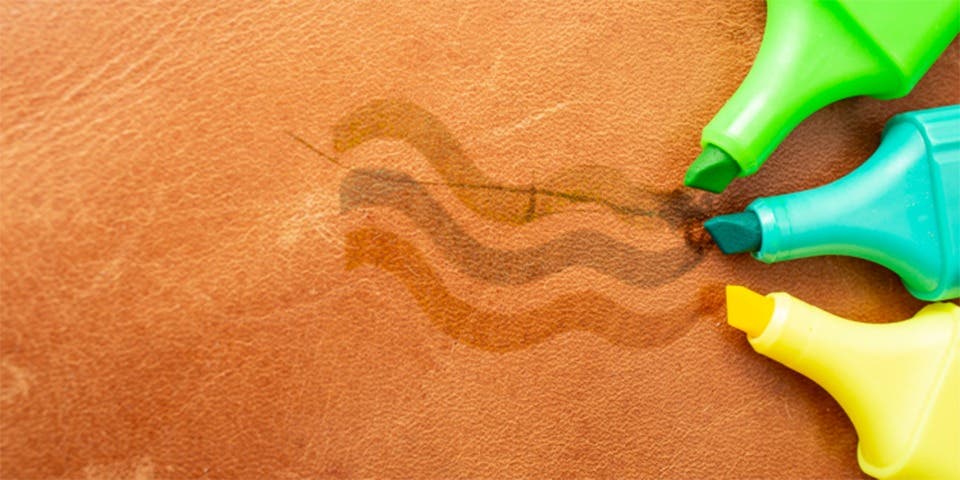 Treat ink stains carefully to protect the leather’s natural finish.
Curry and Turmeric Stains
From everyday family meals to festive celebrations, curry spills can happen. Turmeric is one of the quickest food stains to bond with leather, so acting fast gives you the best chance of removing it completely.
You’ll need
-
Soft microfibre cloth
-
Leather cleaner (or a cleaner recommended by the manufacturer)
-
Soft damp cloth
-
Leather conditioner
Blot the spill immediately with a clean, dry microfibre cloth to absorb as much of the curry as possible. Avoid rubbing, as this can spread the stain deeper into the leather. Gently wipe the area with a soft cloth lightly dampened with leather cleaner. Once the stain has lifted, wipe away any residue with a clean damp cloth and allow the leather to air dry naturally. Finish by applying a leather conditioner to restore the leather’s softness and finish.
Love the Look. Enjoy the Living.

Leather sofas are cherished for their timeless appeal, exceptional comfort and the character they develop over time. And with the right care, they’re surprisingly easy to maintain too.
Explore Interio’s range of thoughtfully designed leather sofas that come with removable covers, created for homes that are lived in and loved every day.