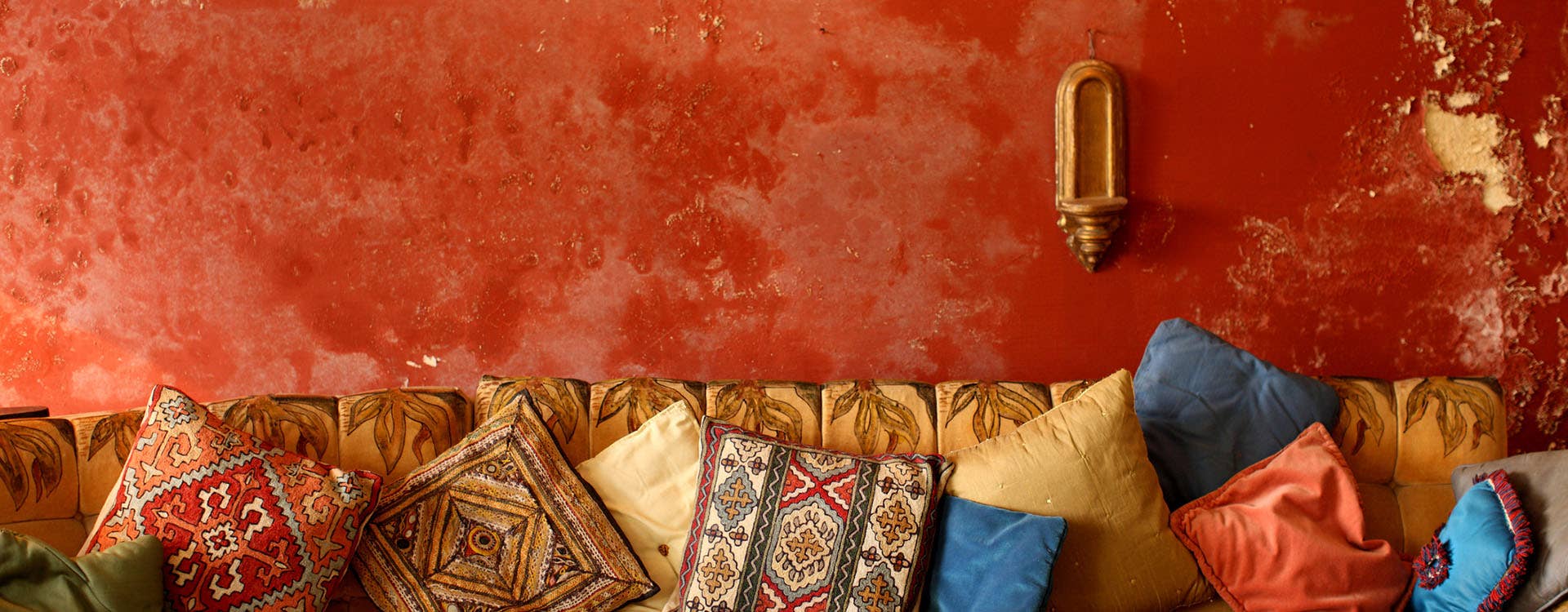
For centuries, Indian artisans created objects that blended beauty with purpose. Brass served meals before it adorned consoles. Clay kept drinking water naturally cool. Woven baskets stored grains before they held cushions and throws. Carved wooden furniture wasn’t made for a season; it was made for generations.
That’s what makes Indian handicrafts so enduring. They adapt to changing homes and changing lifestyles without losing their relevance. Today, they sit just as comfortably beside contemporary furniture as they once did in traditional homes, bringing with them the warmth of craftsmanship and the quiet familiarity of things made to last.
One Country. Hundreds of Craft Traditions.
Indian handicrafts represent hundreds of regional traditions shaped by local materials, climate, and generations of craftsmanship.
- The brass artisans of Moradabad transformed metal into intricate lamps, urlis, and serveware that reflected light beautifully.
- Saharanpur’s master woodcarvers created detailed furniture and decorative panels that remain sought after today.
- Kutch became synonymous with embroidery and textiles rich in colour and storytelling.
- Cane and bamboo weaving flourished across the North-East, producing furniture and baskets that are both lightweight and durable.
- Across India, terracotta traditions evolved wherever clay was abundant, creating pottery that celebrated simplicity and connection to the earth.
Each craft developed for a reason. Local artisans worked with the materials around them, refining techniques over generations until everyday objects became works of art. Understanding where a craft comes from and the range of options on hand makes it easier to appreciate where it belongs in a contemporary home.
Where Do You Start?
Bringing Indian handicrafts into your home doesn’t require a complete redesign. One carefully chosen piece is often enough to change the feel of a room.
Rather than thinking in terms of themes, think about everyday moments. A hand-block-printed table runner can bring character to your dining table. A woven basket can organise everyday essentials, while a terracotta planter adds life to a quiet corner. Even a small brass incense holder or Dhokra figurine can introduce handcrafted detail without demanding attention.
The idea isn’t to recreate a traditional interior overnight. It’s to let handcrafted pieces settle naturally into your home, one thoughtful addition at a time.
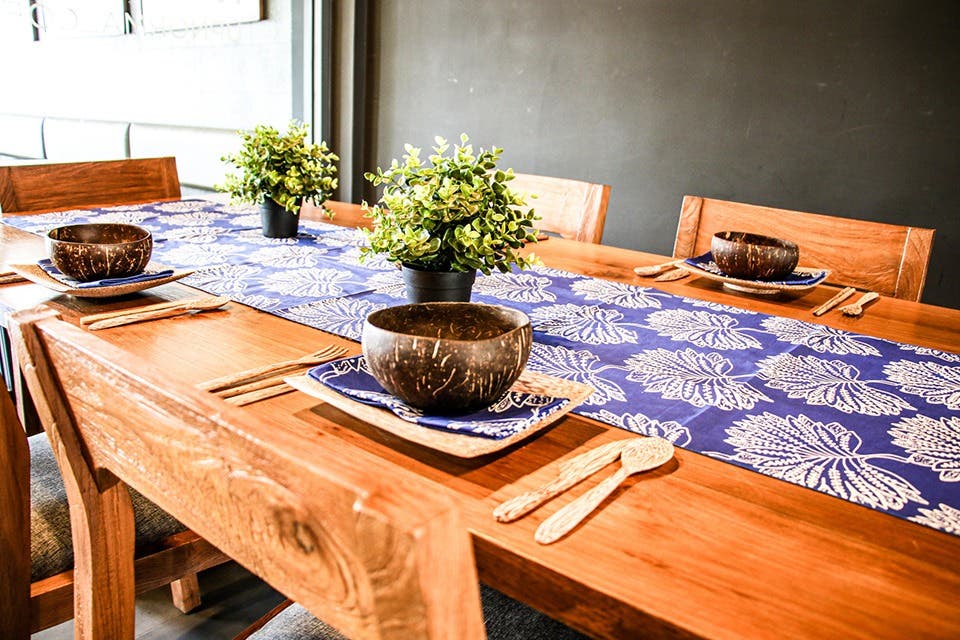 The most meaningful handcrafted pieces are the ones that become part of everyday living.
Why Designers Love Natural Materials
Have you noticed how many contemporary homes rely on neutral colours? That’s because designers often create interest through texture rather than colour. This is where Indian handicrafts naturally shine.
Natural materials each contribute their own character. Solid wood adds warmth, cane introduces texture and terracotta grounds the palette, while brass and jute provide subtle contrast. Furniture placement and choice play a role too:
- Increase the warmth of a fabric sofa by placing it beside a carved wooden side table.
- Bring a dining table to life with handcrafted ceramic serveware and woven placemats.
- Swap out mass-produced lighting with brass lamps so your lighting is as iconic as your lamp.
- Opt for jute throws on your couch to complement a cane ottoman.
Good design isn’t always about adding more. Sometimes it’s about choosing materials that invite you to slow down, touch, and appreciate the craftsmanship behind them.
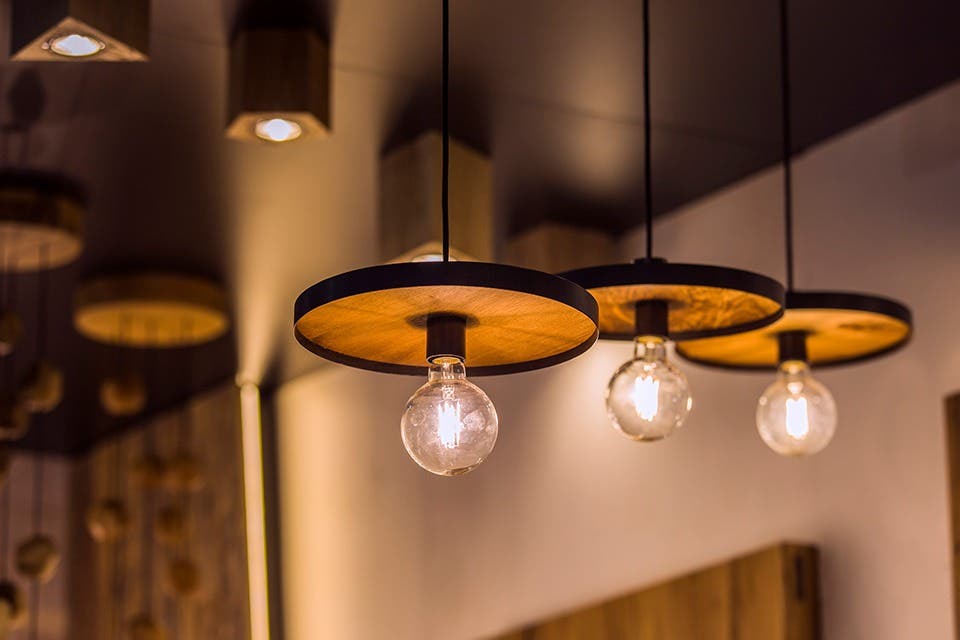 Opt for soft lighting to make your handicrafts shine even more.
Don’t Turn Your Home into an Ethnic Showcase
One beautifully crafted piece often creates more impact than an entire shelf of decorative objects. Interior designers call these focal points—elements that naturally draw your attention when you enter a room.
Instead of filling every surface, let a few handcrafted pieces tell the story. A brass lamp can welcome guests at the entrance, and a carved wooden mirror can anchor a sideboard, while a Pattachitra or Kalamkari artwork adds character to a neutral wall. The quieter the surrounding furniture, the more these details come to life.
That’s why Indian handicrafts work so well in contemporary homes. Clean-lined sofas, understated dining furniture, and neutral finishes become the canvas, while handcrafted pieces provide warmth and visual interest.
Every Purchase Keeps a Craft Alive
Behind every handcrafted piece is an artisan who has spent years mastering techniques passed down through generations.
Indian handicrafts not only decorate a home; they also support communities that continue to preserve traditional skills while adapting them for contemporary living. Many crafts also rely on renewable materials such as bamboo, cane, clay, and responsibly sourced wood, making them a thoughtful choice for homes that value longevity over fast-changing trends.
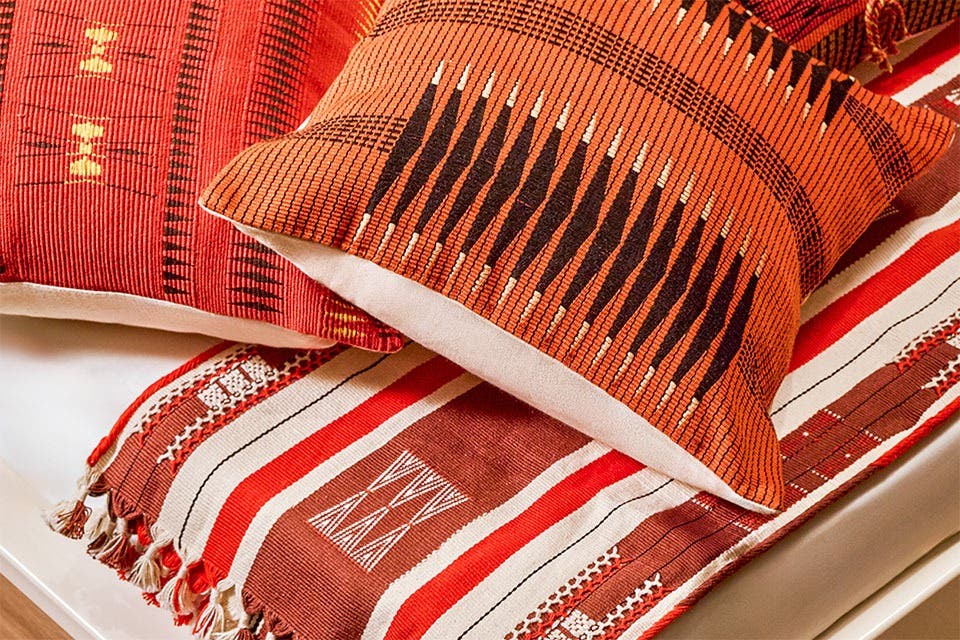 Every handcrafted piece carries the skill of an artisan. The memories begin when it finds a home.
Where Craftsmanship Finds a Home
When thoughtfully designed furniture meets India’s rich craft traditions, something special happens. Homes become more than beautifully furnished spaces. They become places where contemporary living and enduring craftsmanship continue to shape one another, one generation after the next.