When people think about adding storage, they usually begin by looking for an empty wall. A better place to start is your daily routine.
Where do shoes pile up? Which drawer refuses to close? Which surface is always covered, no matter how often you clear it? These aren’t signs that your home needs more storage. They’re clues that storage isn’t in the right place.
Professional organisers call this point-of-use storage—keeping items close to where they’re used rather than simply where there’s space. It’s a simple principle that makes homes feel more intuitive while reducing the time spent searching for everyday essentials.
Modular storage makes a real difference here. Instead of relying on fixed shelves and one-size-fits-all layouts, it lets you create storage that’s tailored to your routines, making everyday items easier to store, find and put away.
Design the Room in Motion
Start by imagining your busiest morning. You’re getting dressed. Someone else is looking for shoes. Another person is opening the wardrobe while someone walks past carrying laundry. Does the room still work?
Storage should make these everyday moments feel easier, not create new obstacles. That means thinking beyond dimensions to how people move, reach, and share the space.
Once you’ve understood those routines, measurements become far more meaningful.
Designer Insight: Furniture occupies more space than its footprint. Every drawer, cabinet and wardrobe temporarily borrows additional space when it’s opened. Planning for that movement is what makes a room feel comfortable to use every day.
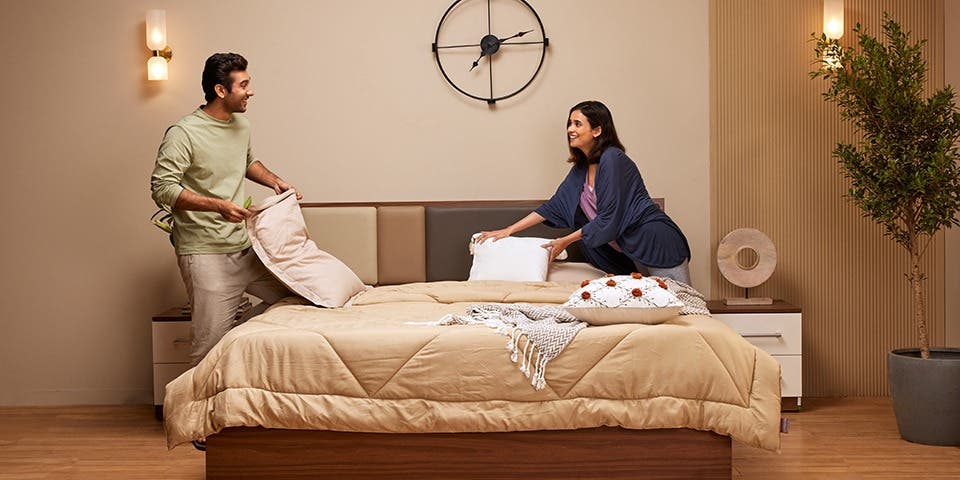 Under-bed, bedside tables, headboard and more… Good storage begins with understanding how you use a room—not just how much space you have.
The First Five Minutes Matter
Think about what happens the moment you walk through the front door.
Keys land on the nearest surface. Shoes gather by the entrance. Bags are placed on a chair “just for now”. Before long, the clutter has followed you into the rest of the house.
The entryway often sets the tone for how organised your home feels.
- A slim shoe cabinet keeps footwear neatly tucked away without taking up valuable floor space.
- A storage bench gives you somewhere to sit while putting on shoes and doubles as hidden storage for umbrellas, reusable shopping bags, or seasonal accessories.
- Wall-mounted organisers, hooks, and narrow consoles with compact drawers provide a dedicated place for outing essentials, mail, chargers, and tidbits that tend to accumulate.
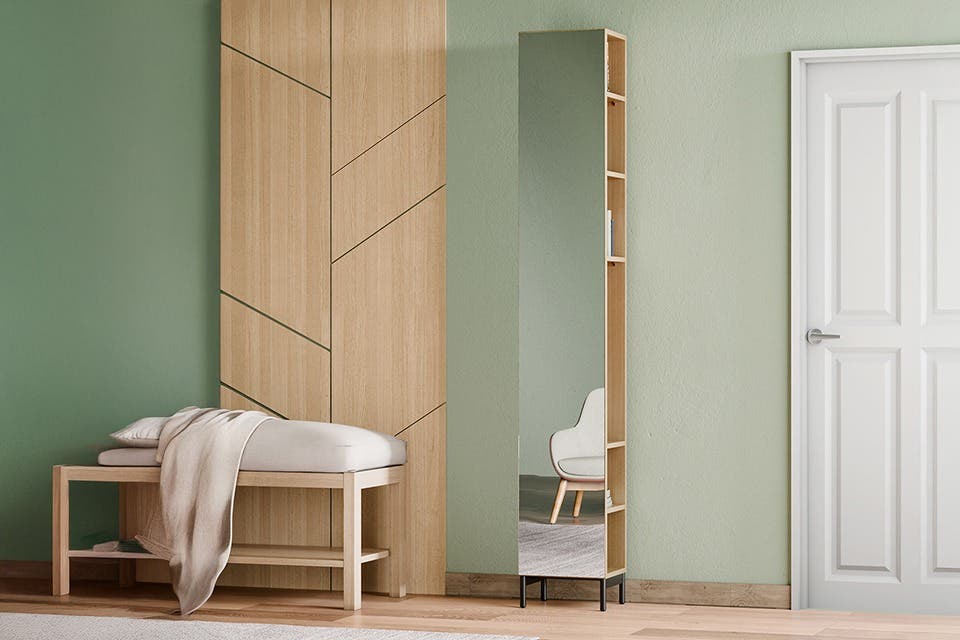 A well-planned entryway keeps everyday essentials organised from the moment you walk in.
The Bedroom Isn’t Just for Sleeping
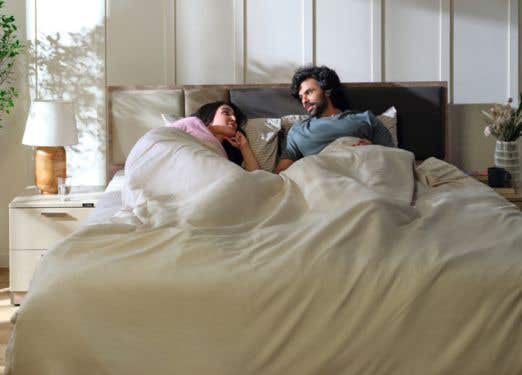
Bedrooms have changed. For many of us, they’re also dressing rooms, reading corners, workspaces, and places to store everything from travel bags to winter quilts. Storage should support all of these roles.
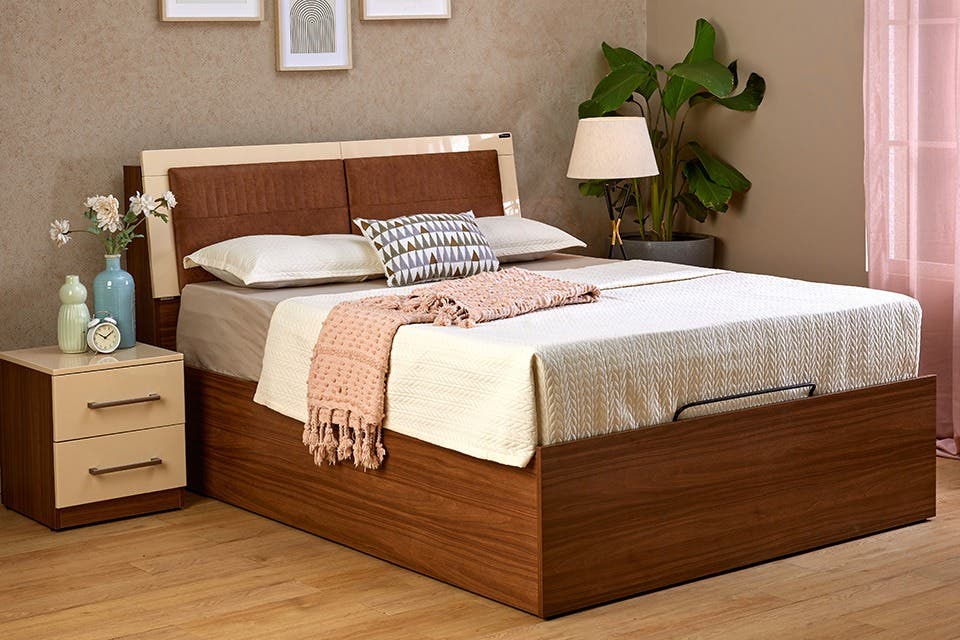
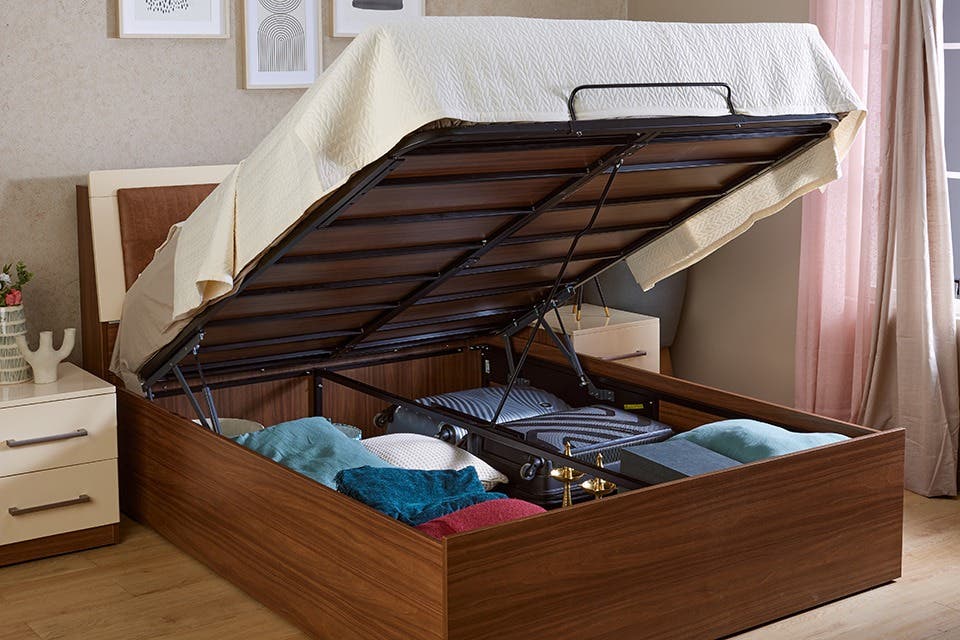
- Hydraulic beds make excellent use of the large space beneath the mattress, making them ideal for bedding, luggage, and seasonal items.
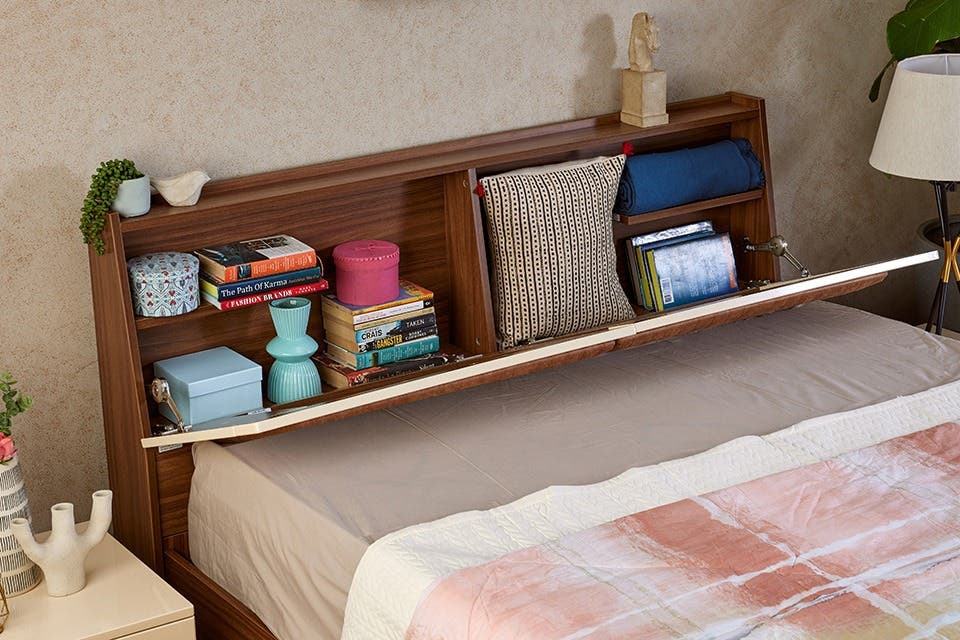
- Beds with drawer storage keep everyday essentials close at hand, while overhead storage uses wall height without reducing valuable floor space.
- A simple chest of drawers becomes more efficient with dividers that keep smaller items neatly organised.
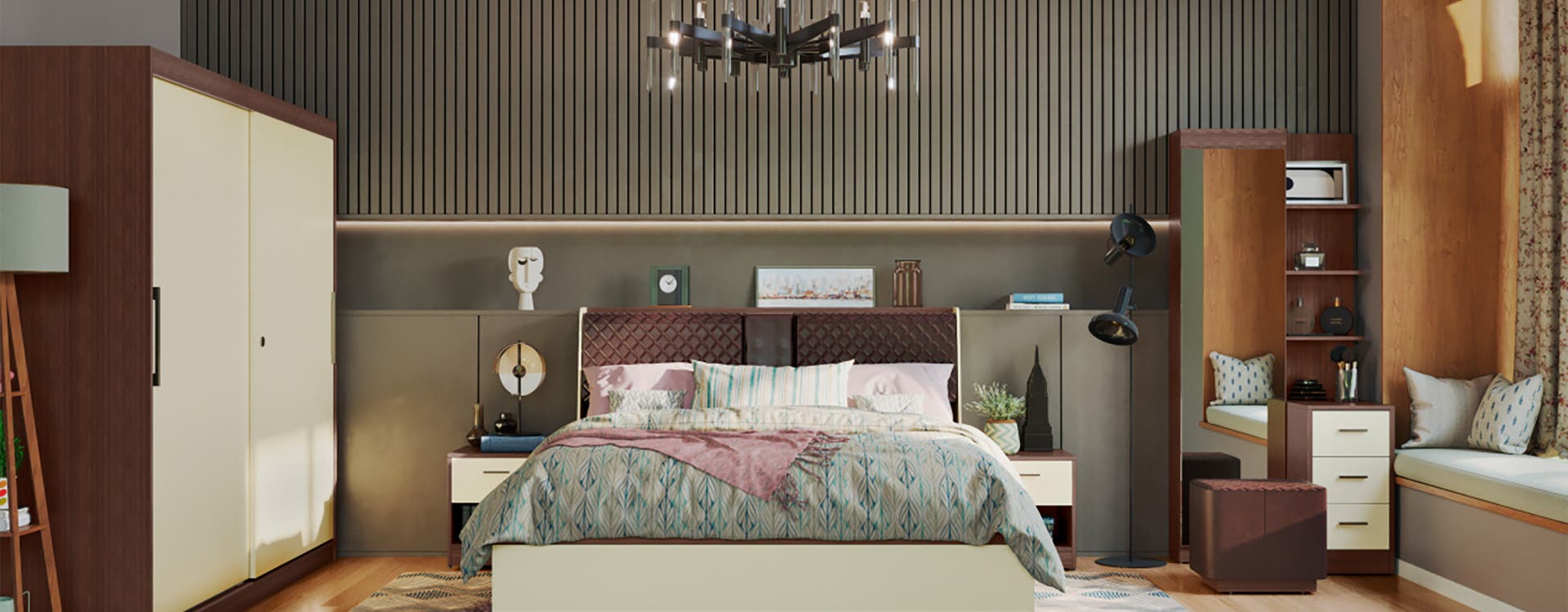
A modular wardrobe offers even greater flexibility. Adjustable shelves, pull-out accessories, optional lockers, drawers, and LED-lit dressing units can all be configured around your needs. As life changes, additional storage modules can often be added without replacing the entire wardrobe.
|
Modular beds offer customisations. |
Convenient overhead storage. |
Hydraulic storage. |
The Living Room Collects More Than People
Storage needs to keep pace. Furniture that serves more than one purpose helps the room adapt throughout the day.
- A sofa-cum-bed provides comfortable seating while doubling as a guest bed when needed.
- Hidden storage keeps bedding neatly tucked away, while modular shelving displays books, keepsakes, and décor without overcrowding the room.
- Display cabinets, media units, and compact storage furniture also help organise everyday essentials while keeping surfaces clear.
When furniture can perform multiple roles, one room can comfortably support many different ways of living.
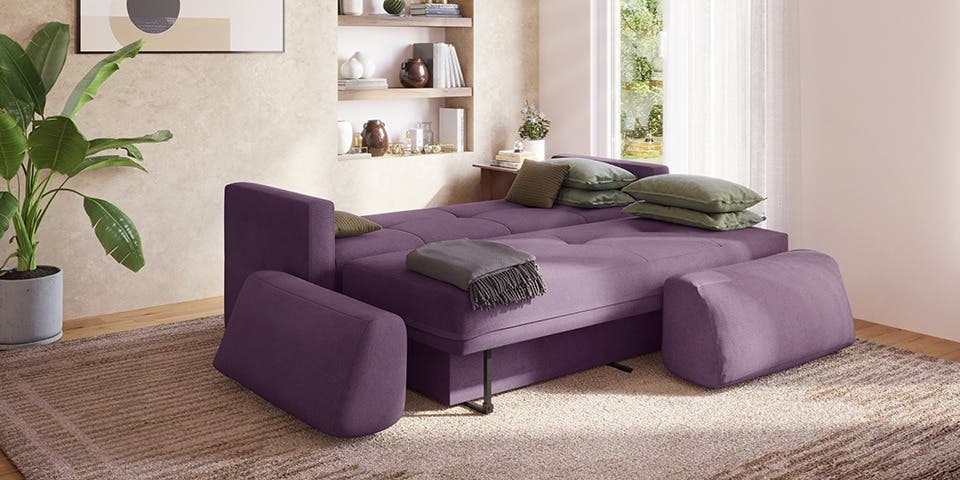 A sofa-cum-bed helps one room do more, offering comfortable seating by day and a welcoming guest bed when needed.
Think Up Before You Think Out
When storage starts running out, most of us look for extra floor space. Designers often look upwards instead. Using height instead of floor space helps homes feel more open while making every square metre work harder.
- Full-height wardrobes maximise bedroom storage without increasing the room’s footprint.
- Floating shelves keep books and decorative pieces organised while leaving furniture surfaces uncluttered.
- Tall storage units make use of narrow spaces that might otherwise go unused.
This approach works particularly well in kitchens too, where tall pantry units, lift-up cabinets, and vertical storage free up worktops while keeping frequently used items within easy reach.
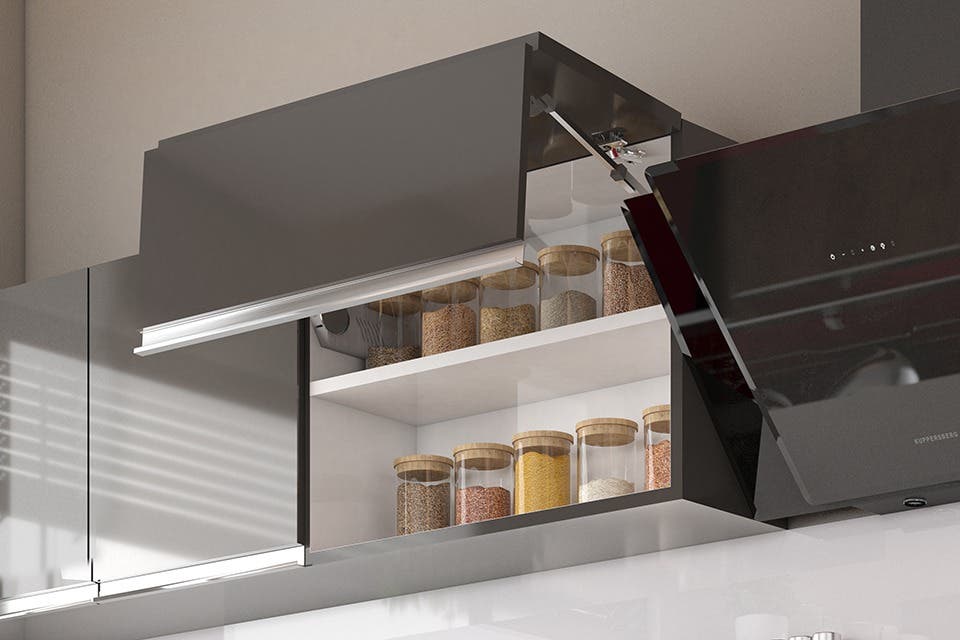 Vertical storage makes better use of space while keeping homes feeling open and organised.
Storage Should Grow with Your Family
Our storage needs rarely stay the same. A young couple may prioritise wardrobe space and a home office. A growing family needs room for toys, books, and school supplies. Later, storage may shift towards hobby equipment, travel luggage, or creating a comfortable home for ageing parents.
Furniture should be able to adapt alongside those changes. Modular storage makes that possible by allowing units, shelves, and accessories to be added or reconfigured over time rather than replacing entire furniture pieces.
It’s also a more sustainable approach. Furniture that evolves with your lifestyle stays useful for longer, reducing the need for frequent replacements while making every investment worth it.
A Well-Organised Home Feels Calmer
At Interio, we believe better living begins with a home that feels organised, adaptable, and ready for whatever life brings next. Modular storage adapts to changing lifestyles, makes better use of space, and creates homes that continue to evolve with the people who live in them.