The disappearing dining table is one of the great mysteries of modern living. You buy a dining table to enjoy meals together. Within a week, it’s hosting courier parcels, sunglasses, a laptop charger, half a school project and, somehow, a screwdriver.
The table isn’t the problem. It’s simply the nearest flat surface. That’s what happens in every home. Objects naturally stop where people stop. Good organisation begins when we stop fighting that behaviour and start designing around it. Instead of asking, “Why is everything ending up here?”, ask, “What does this space need?”
Your Habits Already Know the Answer
Pay attention to what your daily routines are already telling you. How do people walk through the house? Where are shoes taken off? Where do phones get charged? Where does everyone drop their keys? These little observations tell you far more than an empty corner ever will.
Designers call this point-of-use storage, keeping everyday items close to where they’re used rather than where there’s simply room to store them.
The result? Less walking. Less searching. Far fewer moments of standing around wondering, “Now... where did I leave that?”
Professional organisers often say they organise homes, not belongings. The real challenge is understanding people’s habits, because storage that ignores behaviour rarely stays organised for long.
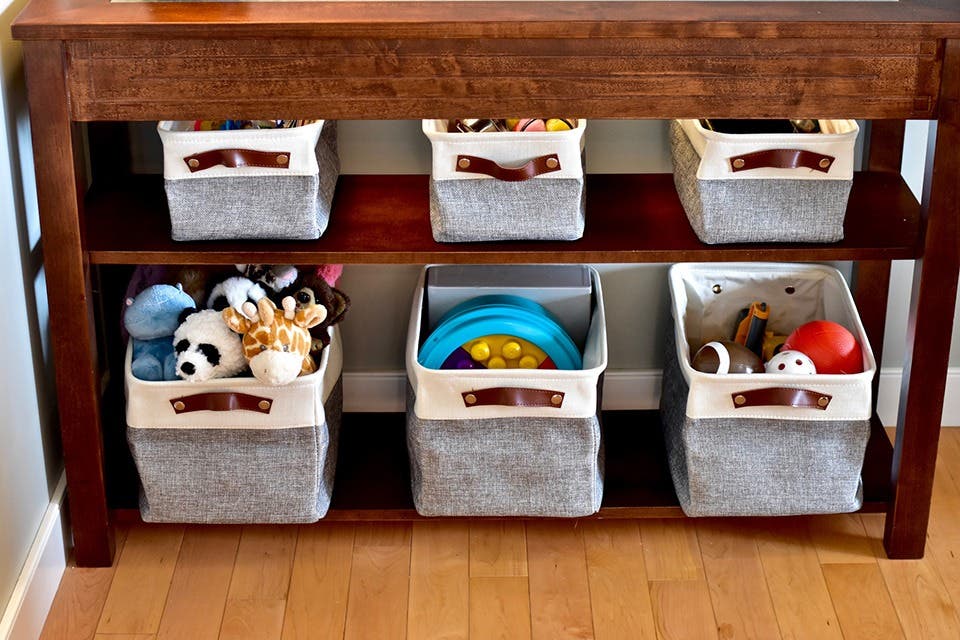 Grouping similar items in labelled baskets makes it easier to find what you need, and just as easy to put it back.
Wardrobes Don’t Fill Up. They Get Confused.
Most wardrobes aren’t short on space. They’re short on strategy.
Winter jackets compete with office shirts. Travel bags sit beside everyday handbags. One sock seems determined to live independently.
Instead of organising by clothing type, organise by frequency, preferably with modular functionalities.
- Everyday clothes deserve the easiest-to-reach shelves.
- Seasonal clothing can happily live overhead or beneath the bed.
- Drawer dividers stop accessories from becoming archaeological digs, while adjustable shelving, pull-out organisers and dedicated compartments adapt as wardrobes, and families, change over time.
A wardrobe shouldn’t make mornings more complicated. It should quietly help them run on time.
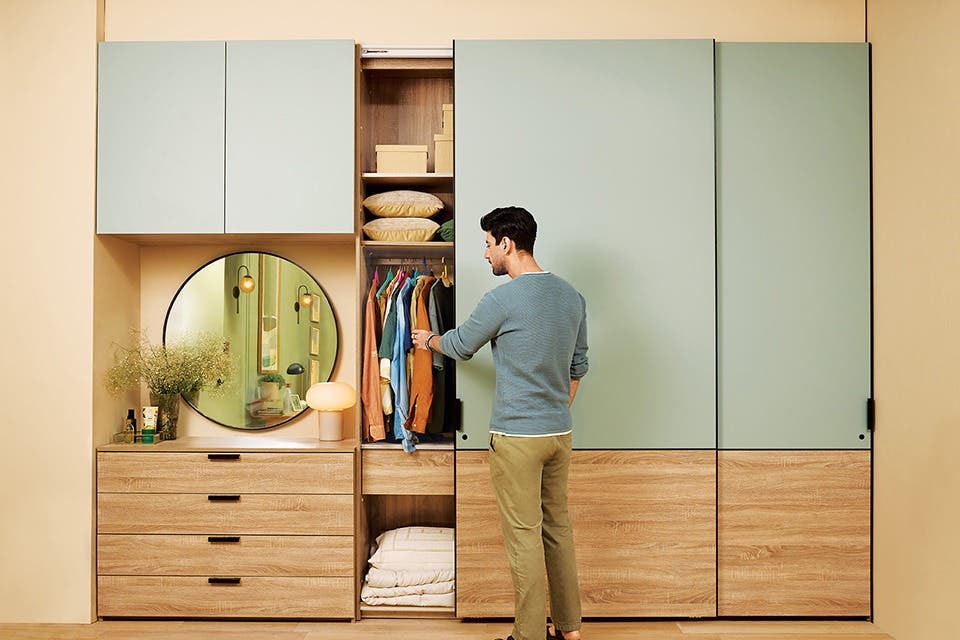 When everyday essentials have a dedicated place, keeping your wardrobe organised becomes second nature.
Empty Space Isn’t Wasted Space
Open almost any cupboard, and you’ll find the same story: one shelf crammed to the edge, another with room to spare. That’s rarely a space problem. It’s a sign that your storage hasn’t been set up to match what’s actually going into it.
Adjustable shelves let you close those awkward gaps. Lower a shelf so folded clothes fit snugly without a gap above them, or raise one to make room for a taller basket—same cupboard, just rearranged to match what’s actually going into it.
Once your existing storage is pulling its weight, look up. Interior designers call the space above eye level a home’s “fifth wall” because it’s the most overlooked part of any room. A loft above a wardrobe or a top shelf for stackable organisers—each puts that overlooked space to work.
Don’t forget about the space below eye level as well; a bed with hydraulic storage is the perfect spot for seasonals and soft furnishings.
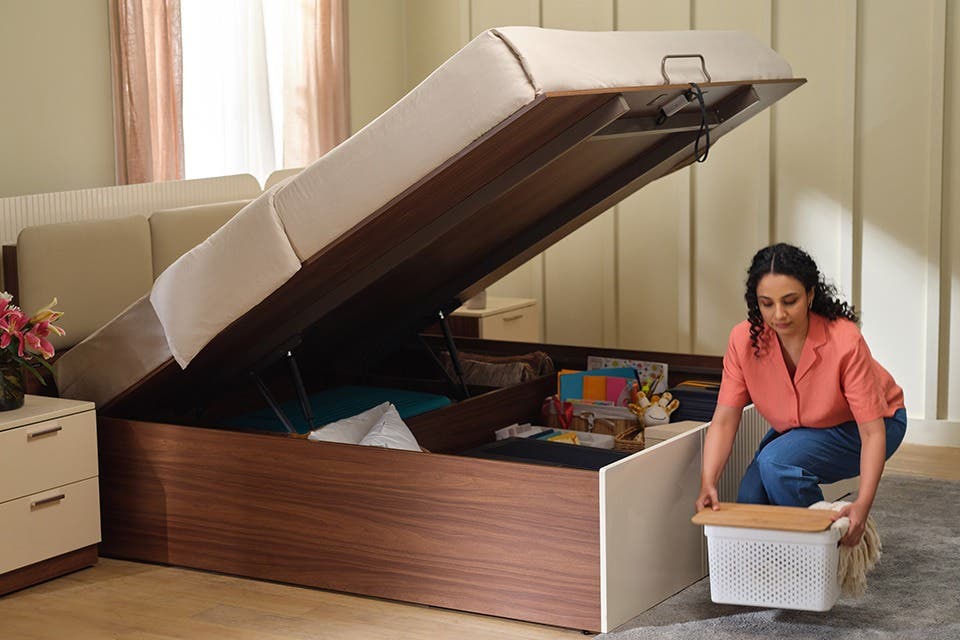 Storage beds make better use of often-overlooked space, keeping seasonal items, luggage and extra bedding neatly tucked away without adding more furniture.
Borrow a Trick from Supermarkets
Ever wondered why you never struggle to find milk in a supermarket? Retail designers spend years studying how people move. The things we buy most often sit exactly where we expect to find them. Homes can work the same way, quietly guiding you towards what you need.
Clear containers, pull-out drawers, and open shelving make everyday essentials easier to spot, reducing the need to search through crowded cupboards. Use a label system for even more ease.
- In the kitchen, keep everyday ingredients and crockery between waist and shoulder height, store heavy cookware in the lower drawers where it’s easier to lift, and let festive dinner sets or rarely-used appliances wait on the top shelf.
- In the wardrobe, place everyday wear within arm’s reach and occasion wear stored higher up.
- In the bathroom, daily toiletries stay at eye level while backup supplies move into a cabinet below.
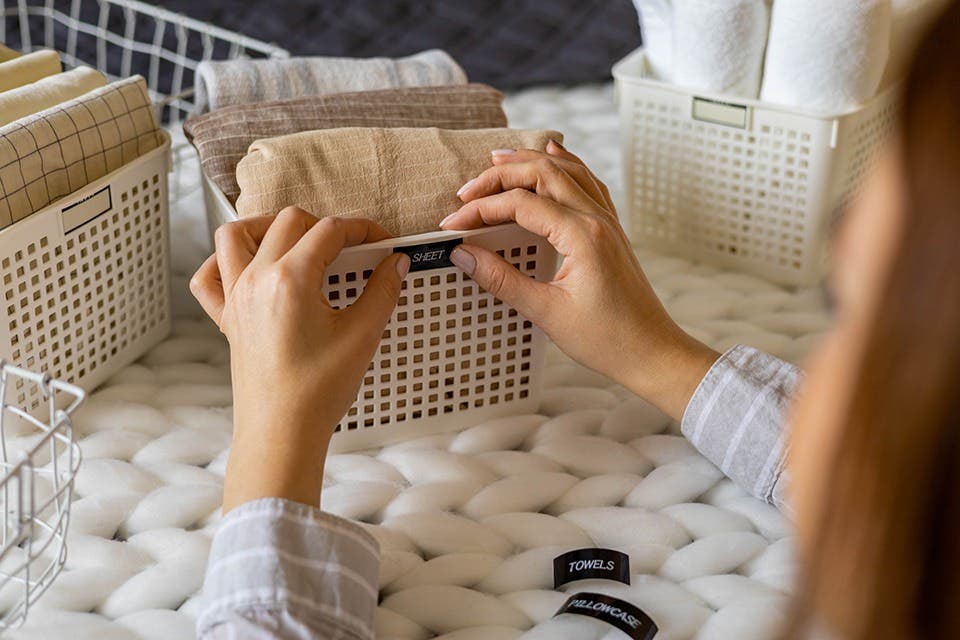 Labels turn storage into a system, making it easier for everyone to find things—and return them to the right place.
Your Home Doesn’t Need More Storage. It Needs Better Parking
Interior designers sometimes talk about “visual noise”. A room can have plenty of storage and still feel cluttered if everyday objects are constantly left in view. Keys. Remote controls. Reading glasses. Charging cables. They’re constantly travelling, not because anyone moved them deliberately, but because none of them have a permanent address.
Small landing zones solve this surprisingly well. A tray near the entrance. A charging drawer beside the sofa. A basket for magazines. A console with drawers for all those little things that seem to multiply after dark.
When objects know where to go, putting them away becomes almost automatic.
Don’t Organise for Today
Homes rarely stay the same. A spare bedroom becomes a nursery. Work comes home. Parents move in. Children move out. Hobbies take over cupboards.
Modular furniture makes this easier in practice, not just easier to imagine.
- Modular beds and wardrobes take care of functionality and storage in one go.
- Wall-mounted shelving units with expandable modules can grow with a book collection or a home office without a full furniture swap.
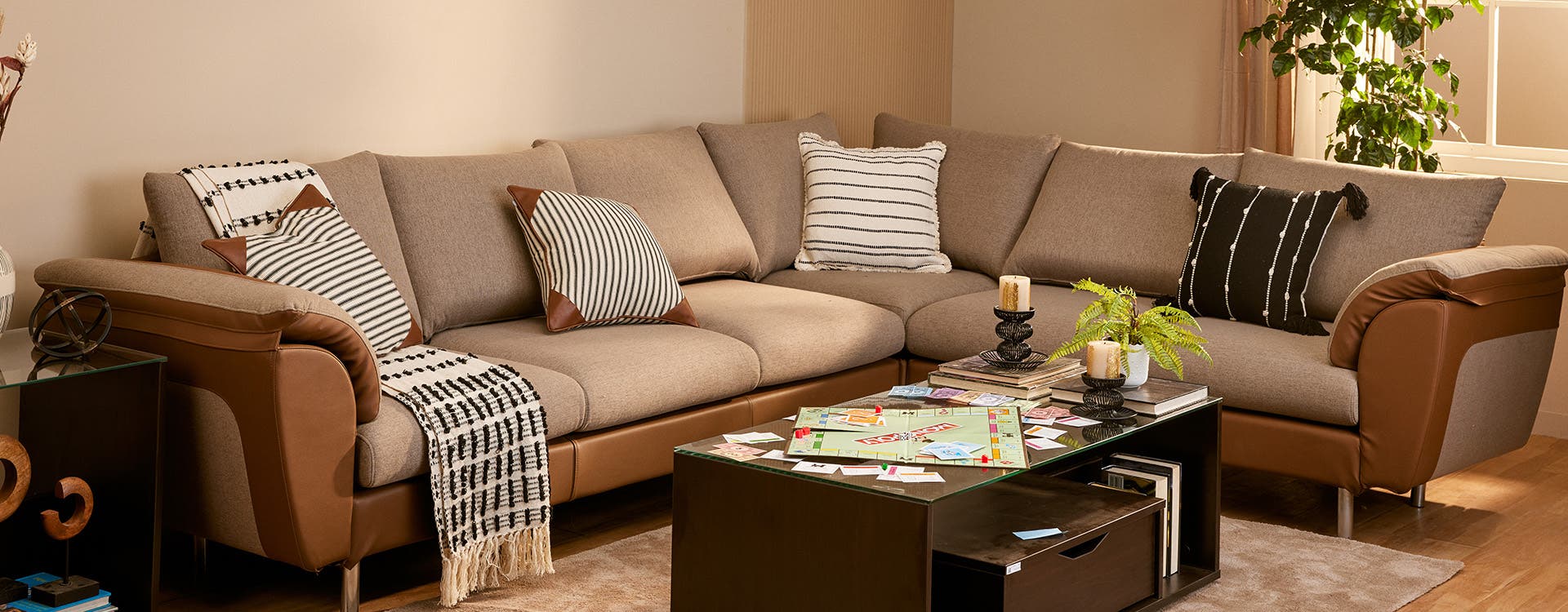
- Modular sofa sets can be configured to grow as your home does, keeping up with the style quotient as well.
- A storage ottoman or bench with a lift-up lid earns its keep quietly, doubling as extra seating one year and a toy chest the next.
- A dining table with extendable leaves flexes between a quiet weeknight dinner and a house full of guests.
Good furniture expects change. Modular storage can expand, reconfigure, and adapt without replacing entire rooms. It’s a practical way to make furniture last longer while allowing your home to evolve naturally over time.
The Best Organised Homes Aren’t Perfect
Open a magazine and you’ll find wardrobes arranged by colour and kitchen jars lined up like soldiers on parade. Real homes are a little messier. And that’s perfectly fine. A well-organised home isn’t one where nothing is ever out of place, but where everything knows how to find its way back.
At Interio, we believe thoughtful furniture and intelligent storage are about removing the tiny interruptions that fill everyday life—looking for chargers, hunting for spare keys, or wondering where the tape measure disappeared to this time.
Because when your home works with your habits instead of against them, there’s more time for the things that really deserve your attention.