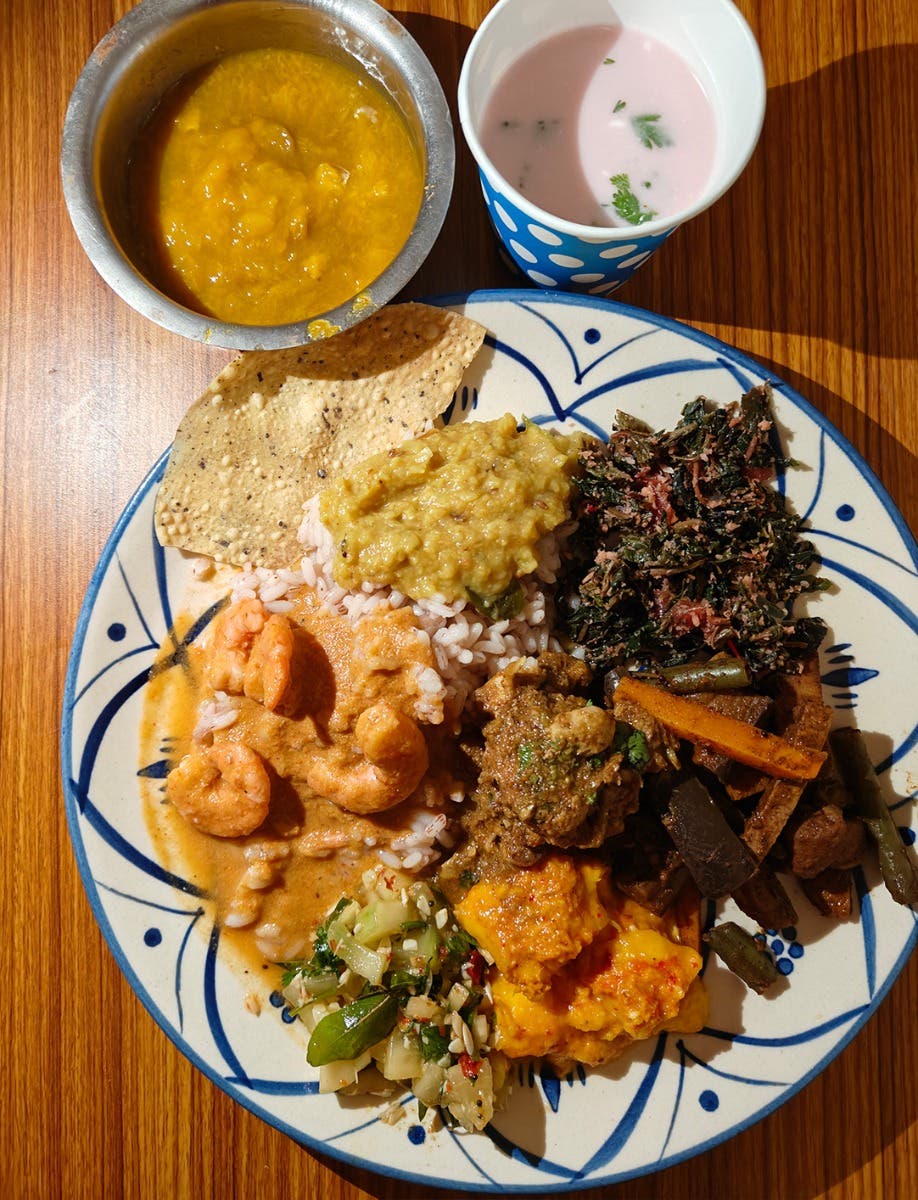
WANDER INTO SOMETHING NEW


⬅ Swipe ➡


Setting up a table need not be fussy. It can be a great excuse to have some fun, pamper your friends and even bring the outdoors in.
Story BY studio ping pong
cover photo by sanskriti bist
WHAT’S IN
WHAT’S IN THIS NOOK?
Set the table, set the mood
Mix, match, set, repeat
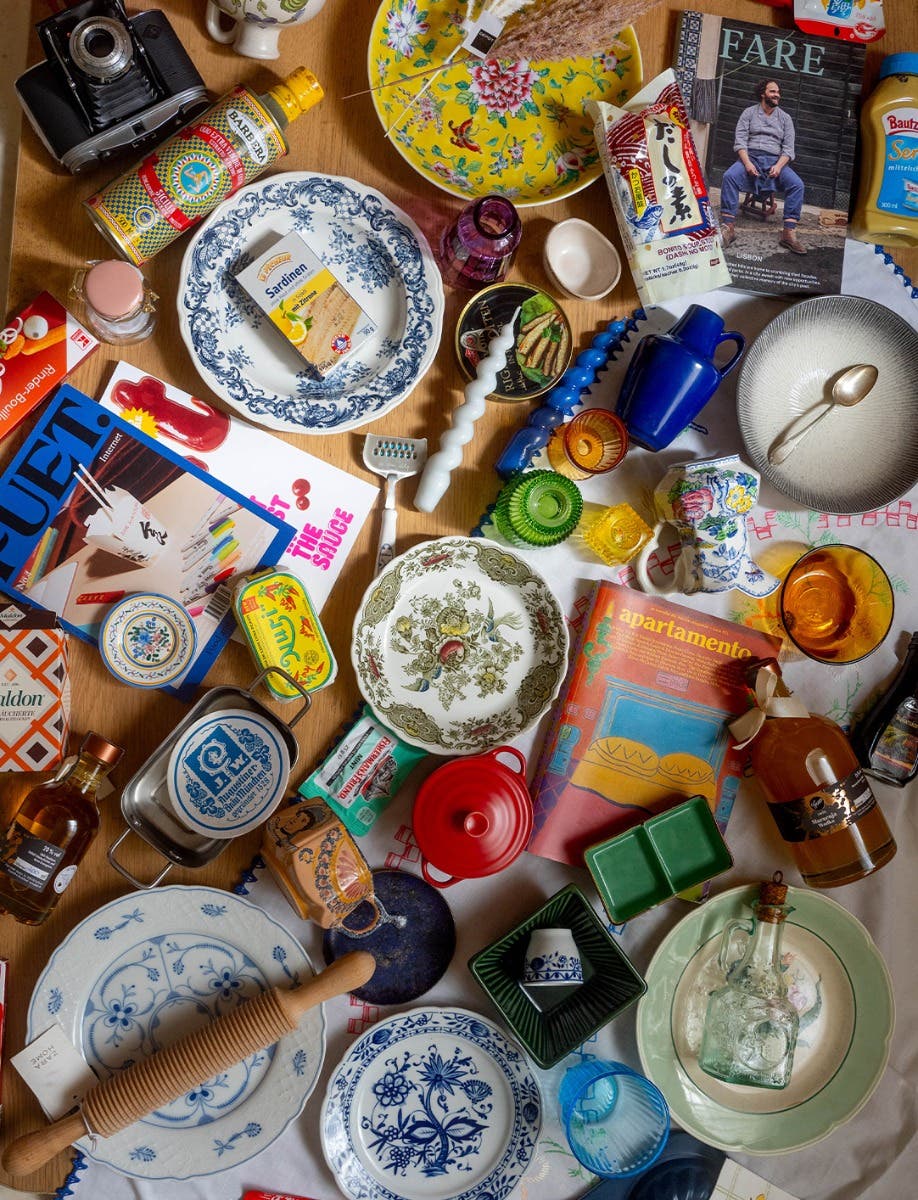
Collected curios that delight
THIS NOOK?
It always starts with a clean table. Then come the placemats, plates and tumblers. She’s especially particular about her spoons, setting small ones for condiments, larger ones for serving bowls, and tongs for appetisers.
The salt and pepper shakers, a carafe of water and small tumblers are always already on the table, so no one has to get up mid-meal.
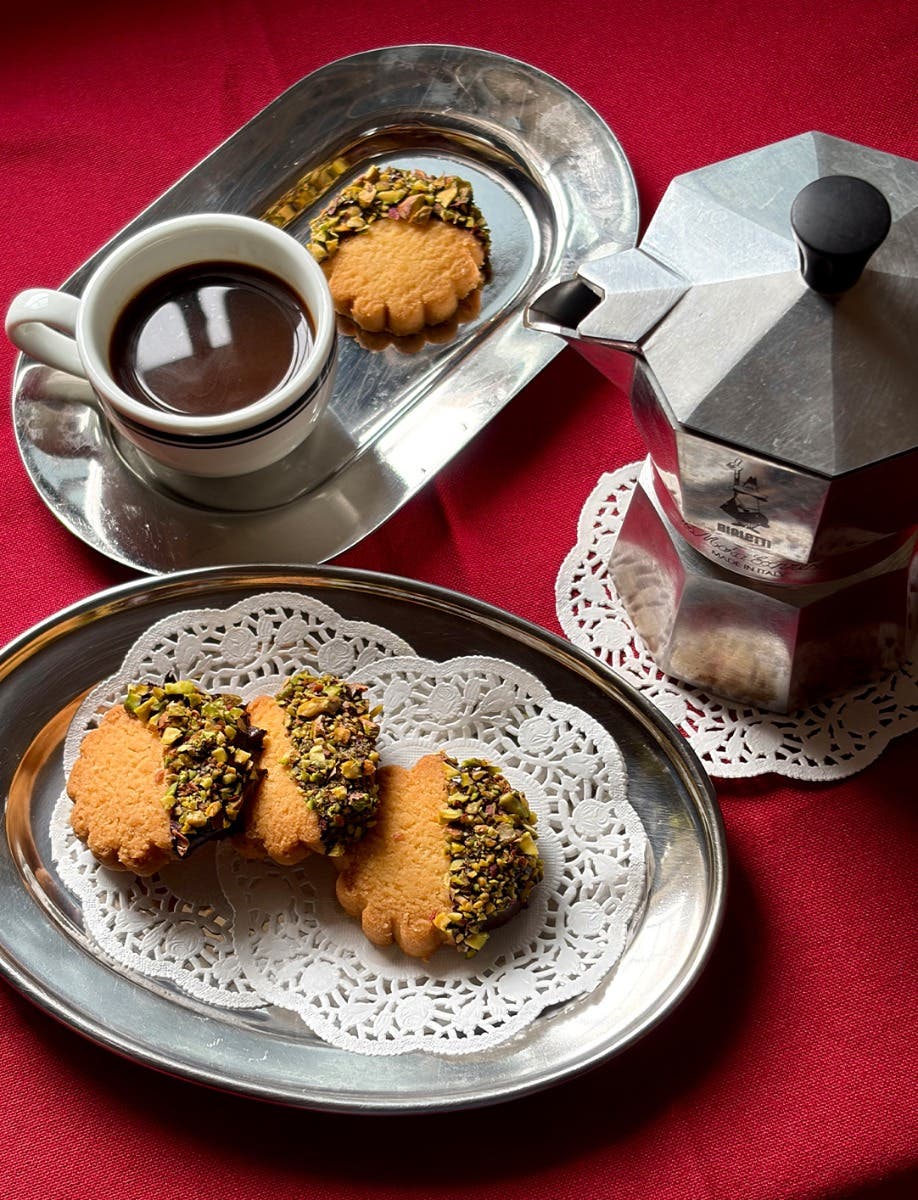
Beyond her ceramics, she can’t do without her stainless steel platter. Paired with delicate lace doilies, it brings contrast to the table and has become her favourite way to enjoy cookies and coffee.
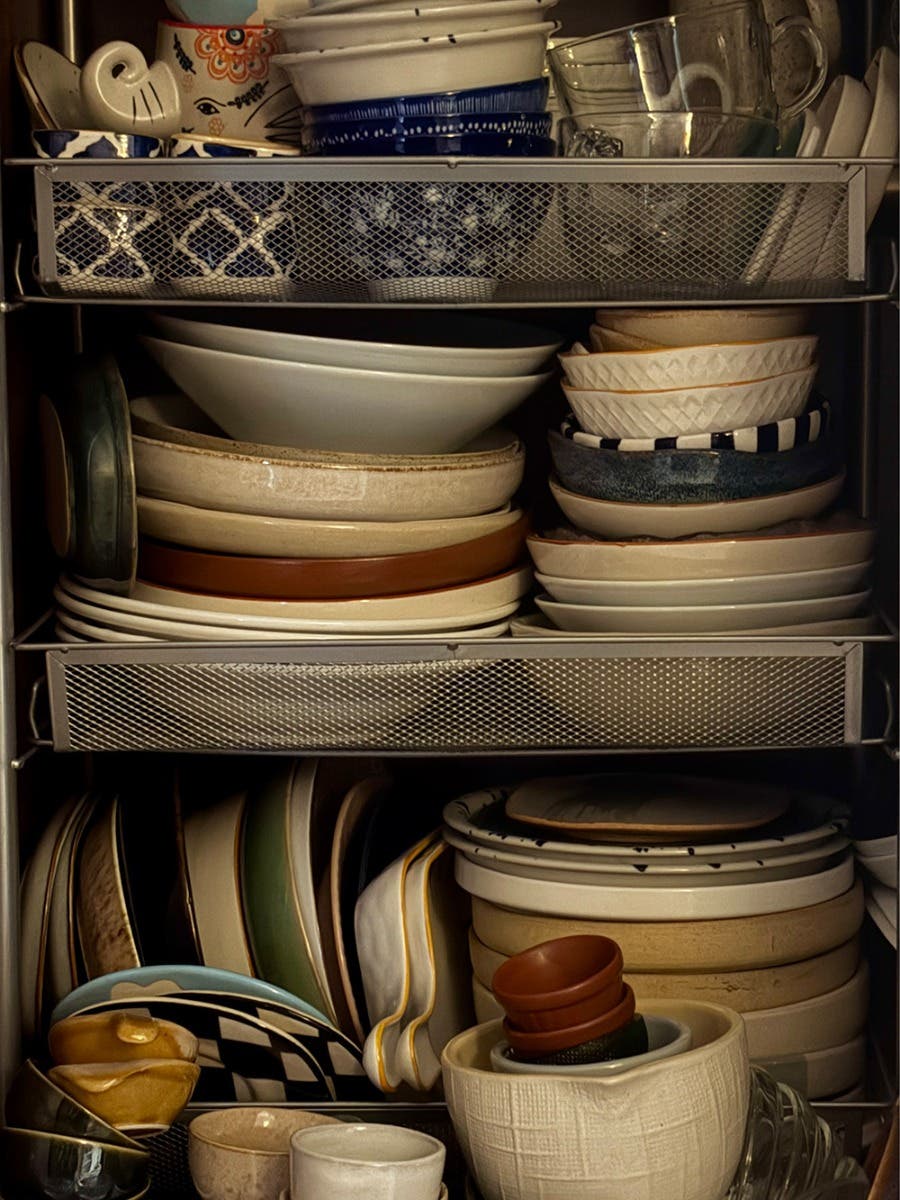
“I’m constantly thinking about the plate I will use, whether I have a tumbler that will match it (or be a complete contrast), and how I will plate the dish I’m planning to make,” says Anubhutie.
Colour, her recent travels, pace of the day, all seem to affect the way Vidushi sets the mood for her table.
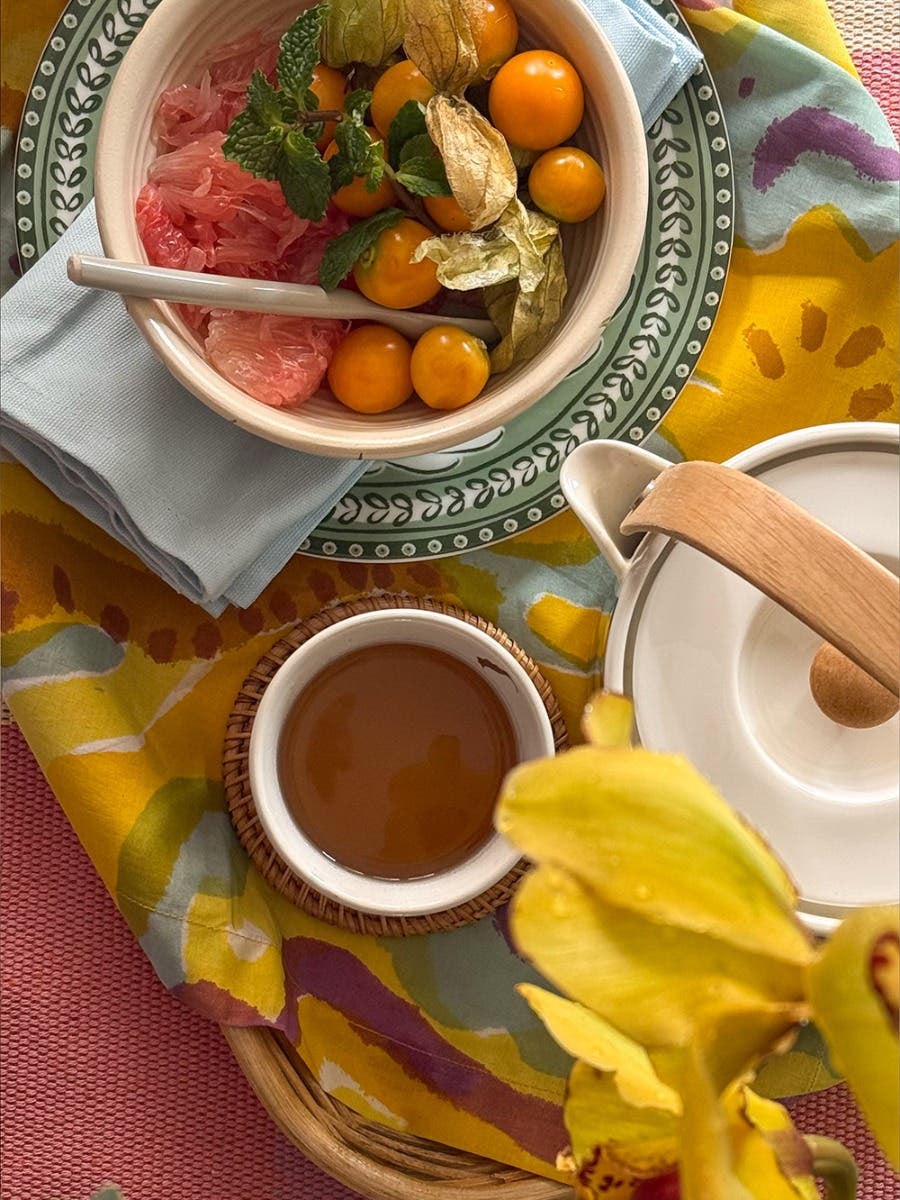
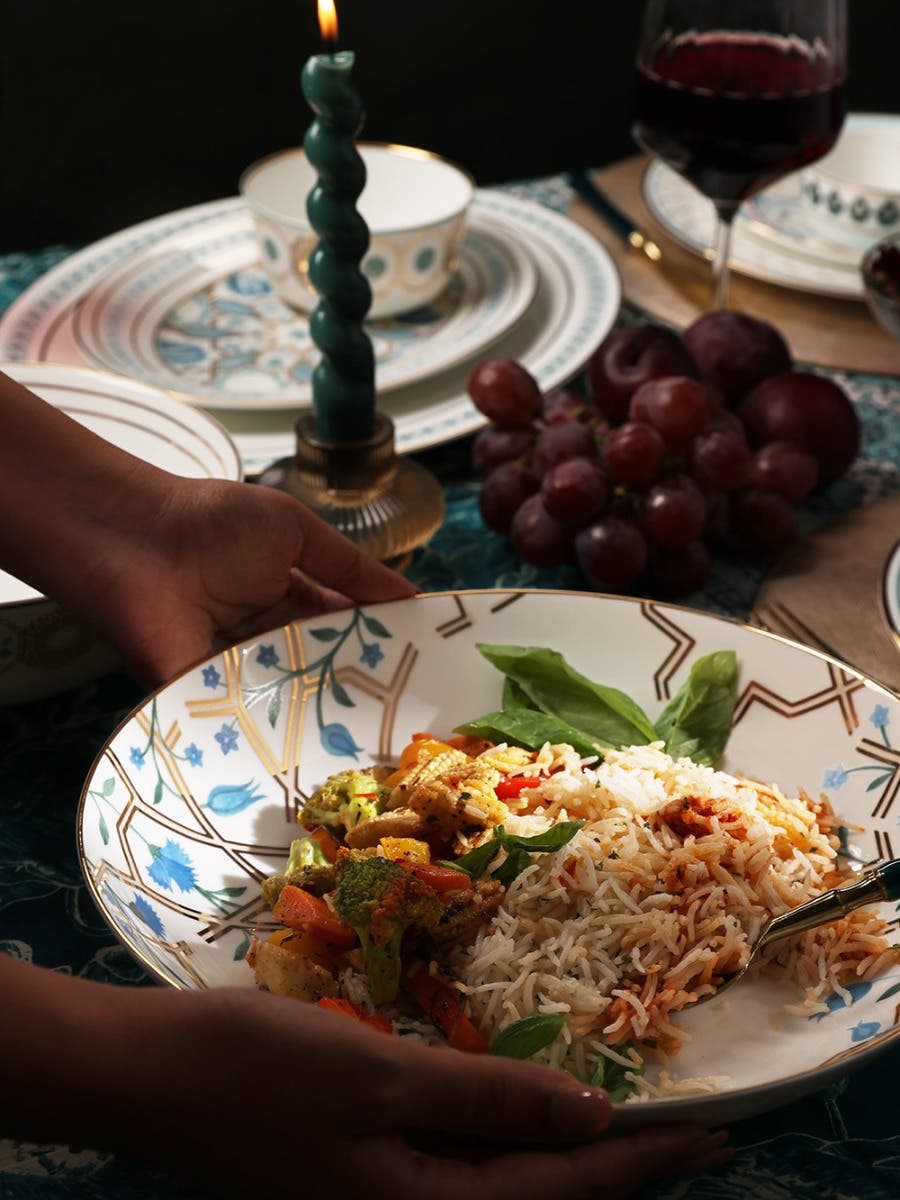
The flow of the table is most important to her. “For me, it’s about making sure that food, conversation, and people can move naturally around it. Is there enough room for people to enjoy themselves without feeling cramped? Can food be passed around? Can you have a conversation without a towering centrepiece blocking eye contact?”
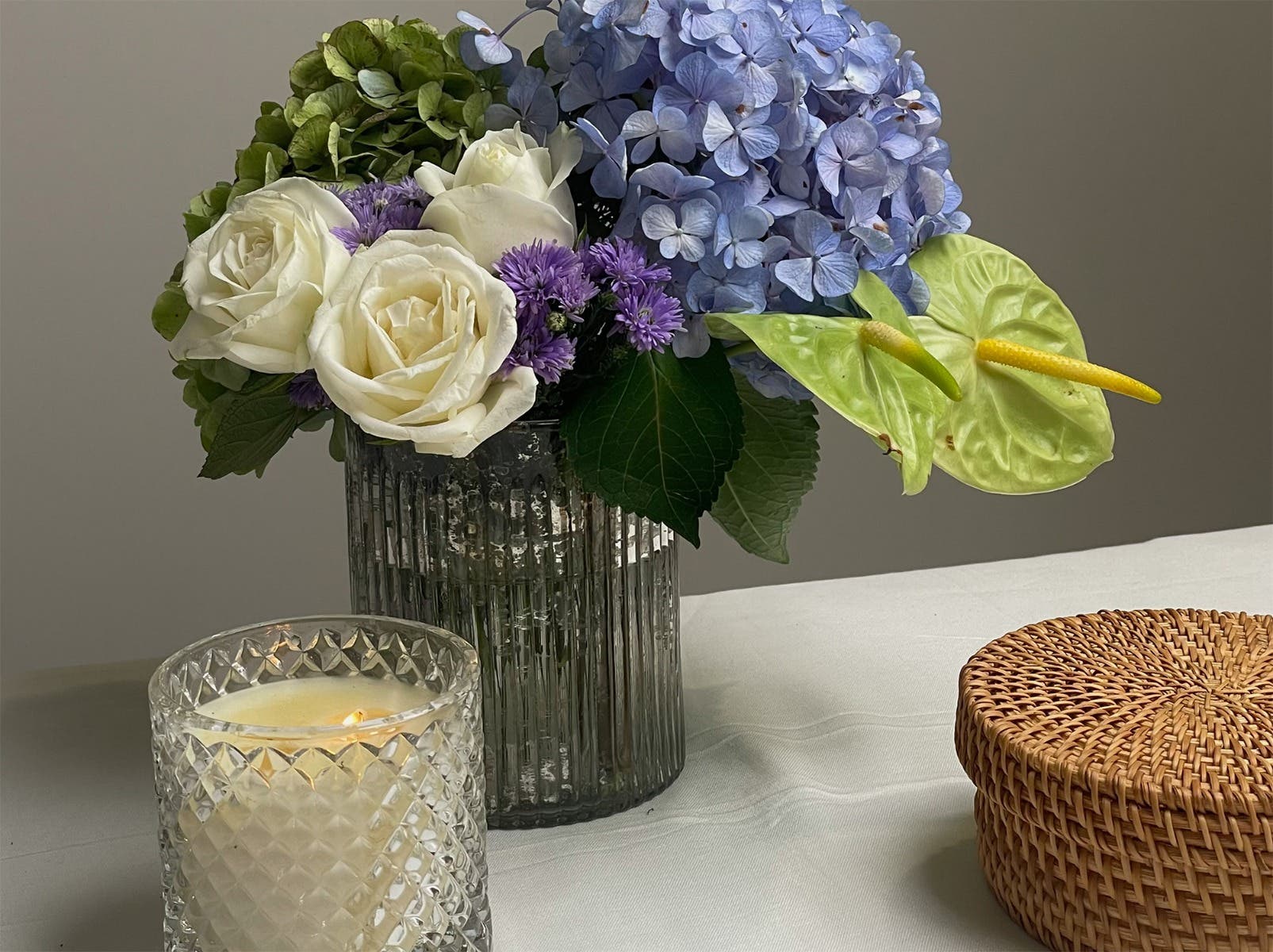
Her table staples are a small silver vase with mixed stems and ceramic bowls that, she believes, makes everything from pasta to curd rice and fruit taste better.
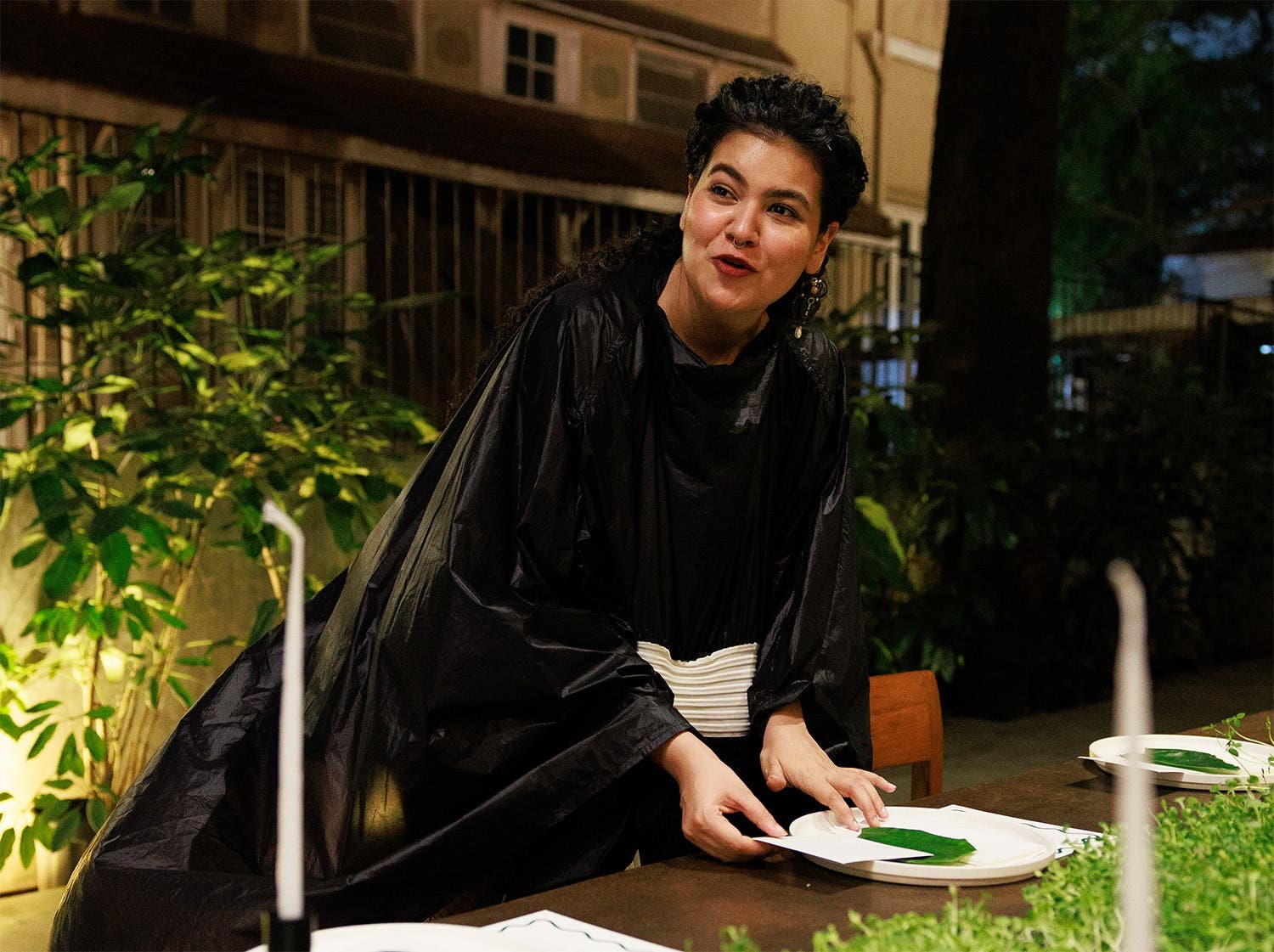
For Priyansha, the table is a sensorial and cultural space, shaping how we remember, gather and relate to one another. The process of setting it begins not with objects, but also a memory, a feeling or an observation.
Her most treasured pieces are gifts steeped in meaning: a black dinner set from her parents, a ceramic tray from a close friend or a commissioned cup for Inordinary’s exhibiton (shown below).
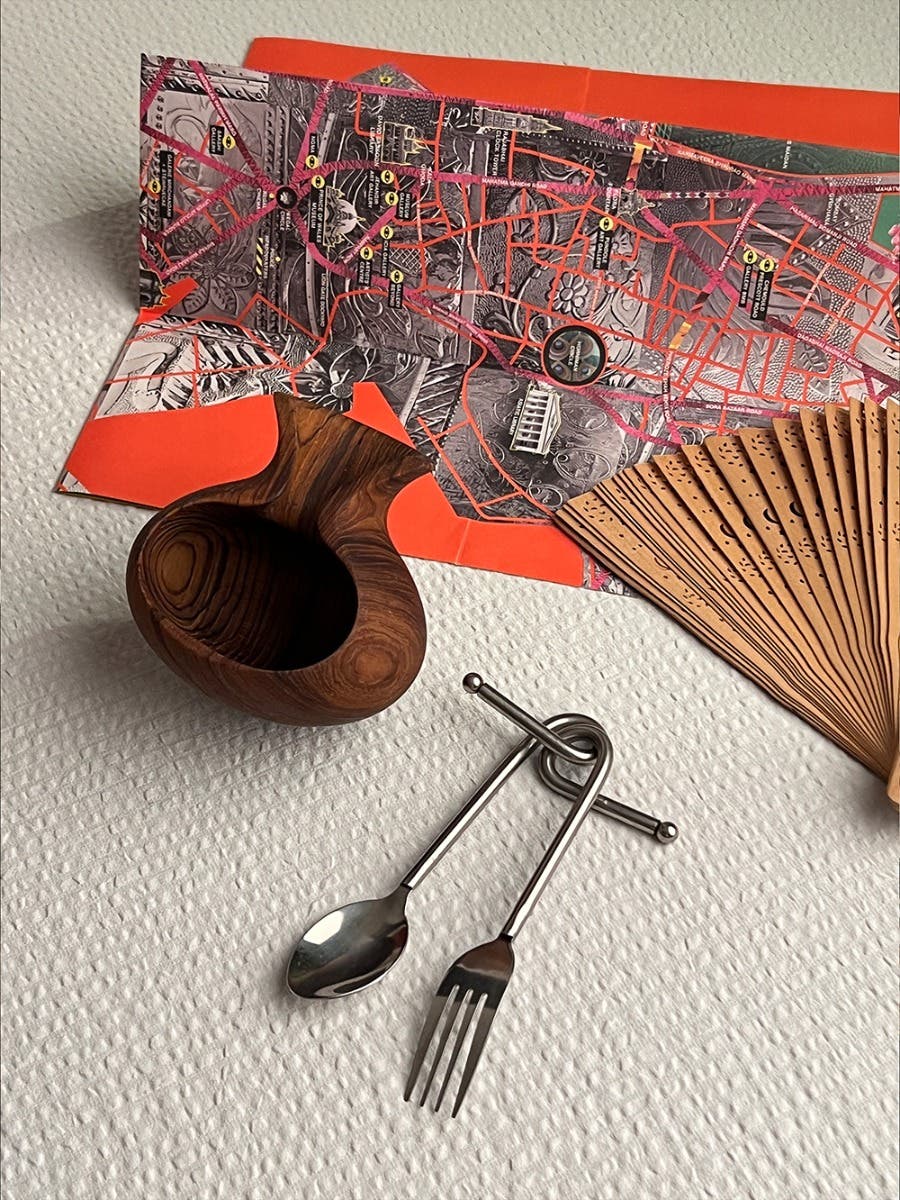
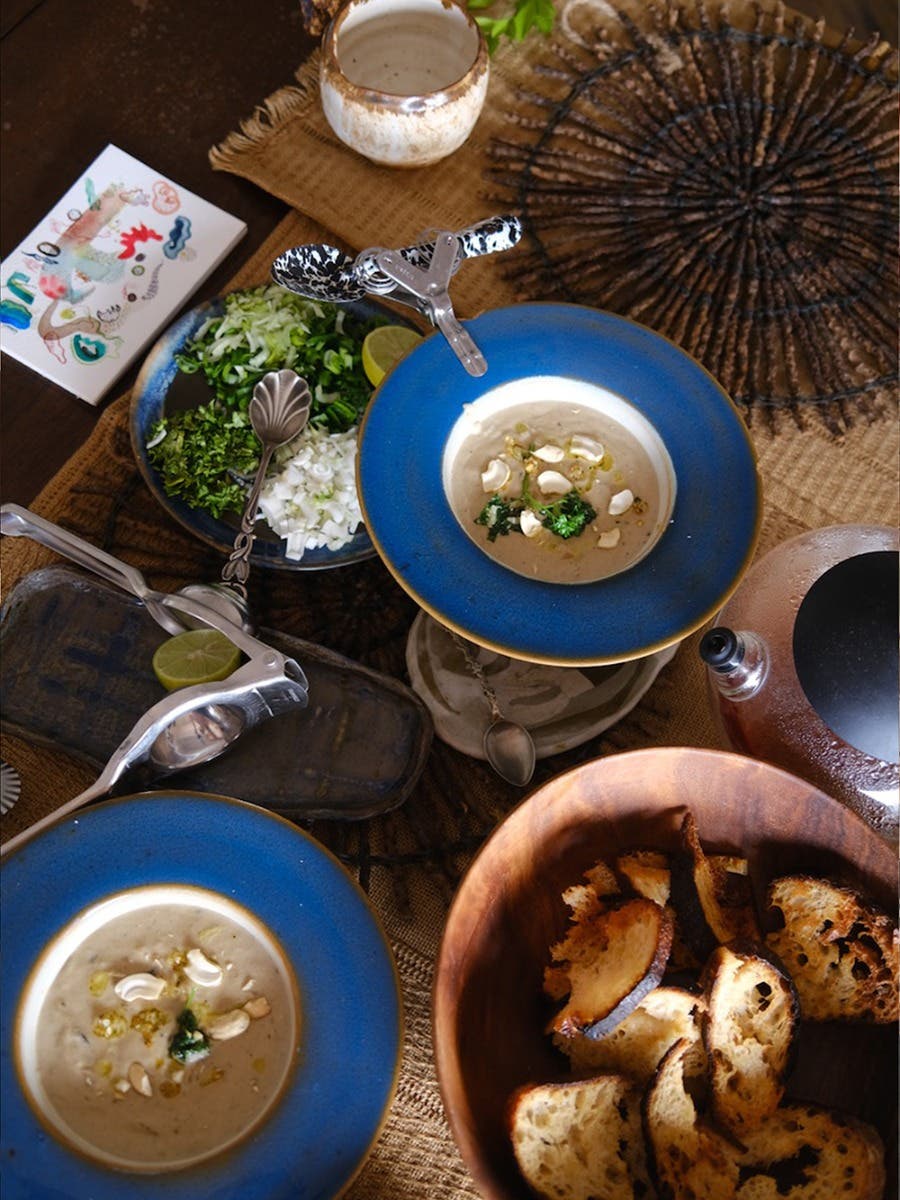
Every detail matters, from the choreography of the table to the purpose of each element, materials, scents and textures come together to create an experience that lingers long after the meal ends.
“Over time, I’ve realised that the objects I value most are rarely the ones I’ve simply bought for myself, but the ones that have found their way to me through the thoughtfulness of people who know me deeply.”
Favourite sources: Gifts from friends or from
travels around the world.
With a varied collection of individually unique pieces from his travels, crockery comes first for Daksha.
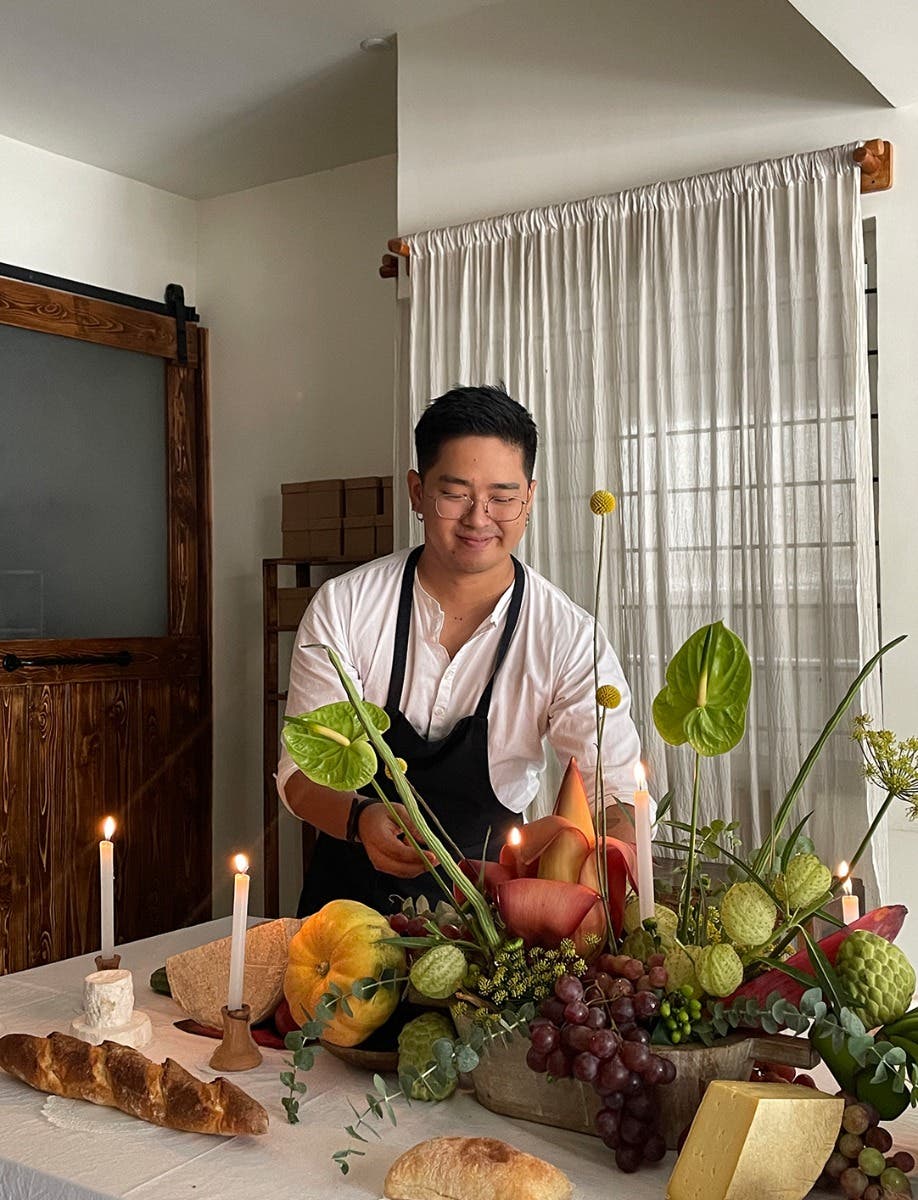
“I’m a little particular about the ceramics I use, even if I’m just making myself something simple. I think the plate or bowl sets the tone for the meal.”
His table often hold stories from a trip to the local markets, with woven mats, baskets, old brassware and handwoven textiles.
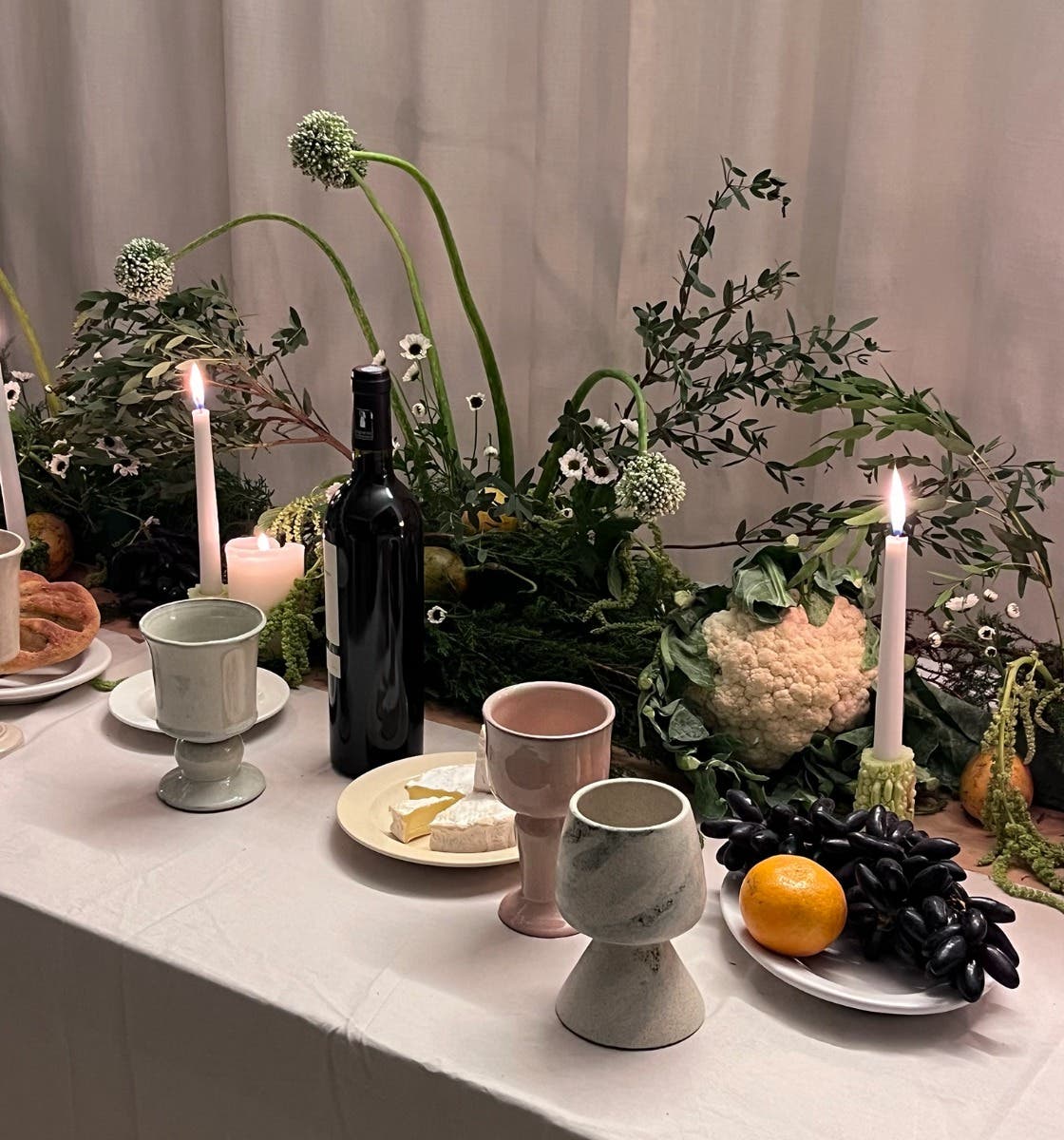
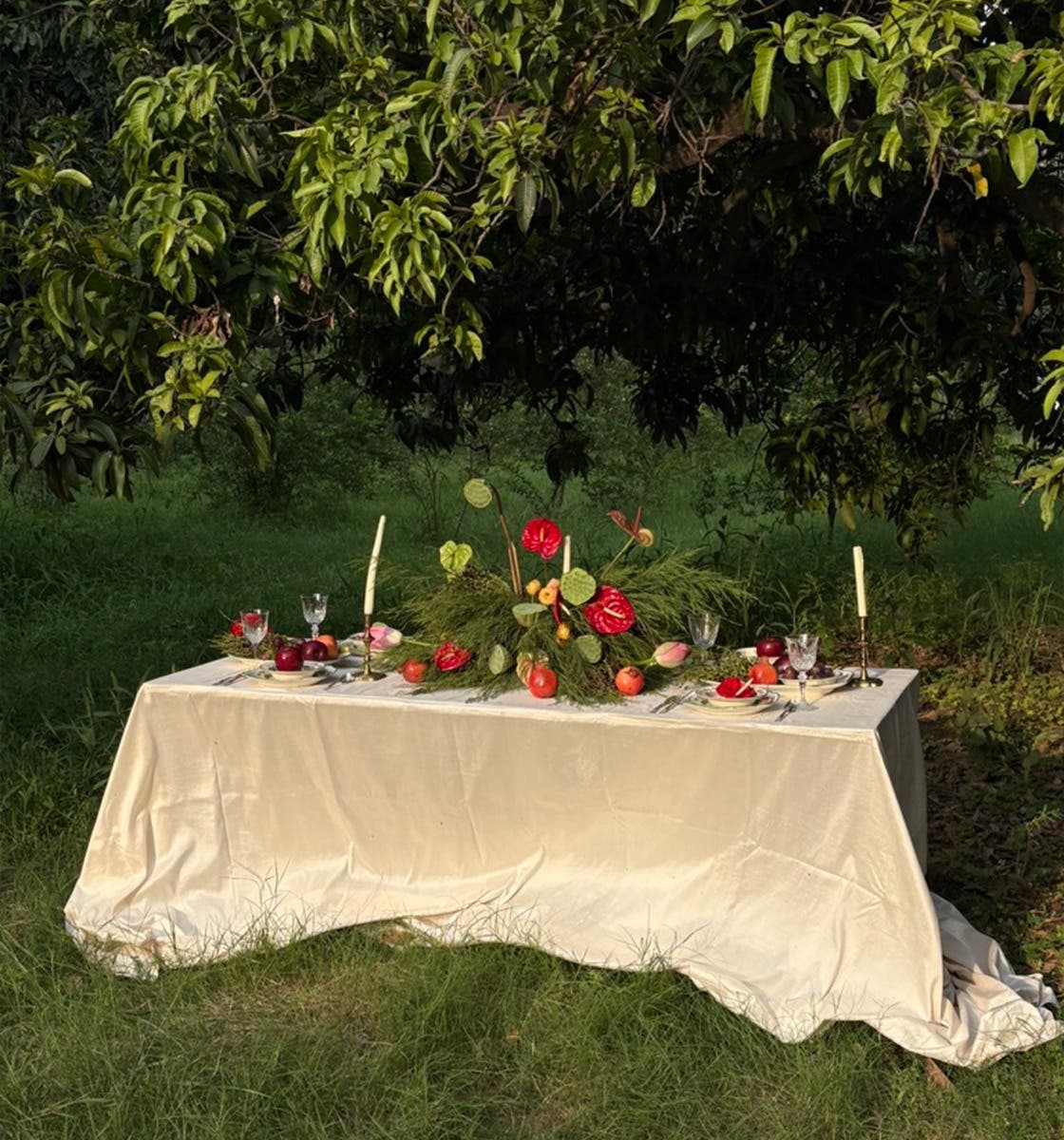
While his tablescapes range from simple to expressive, he believes in putting the same effort for a meal for many or even himself.
Favourite sources: Ceramic stores in Yaowarat, Bangkok or Imphal markets.