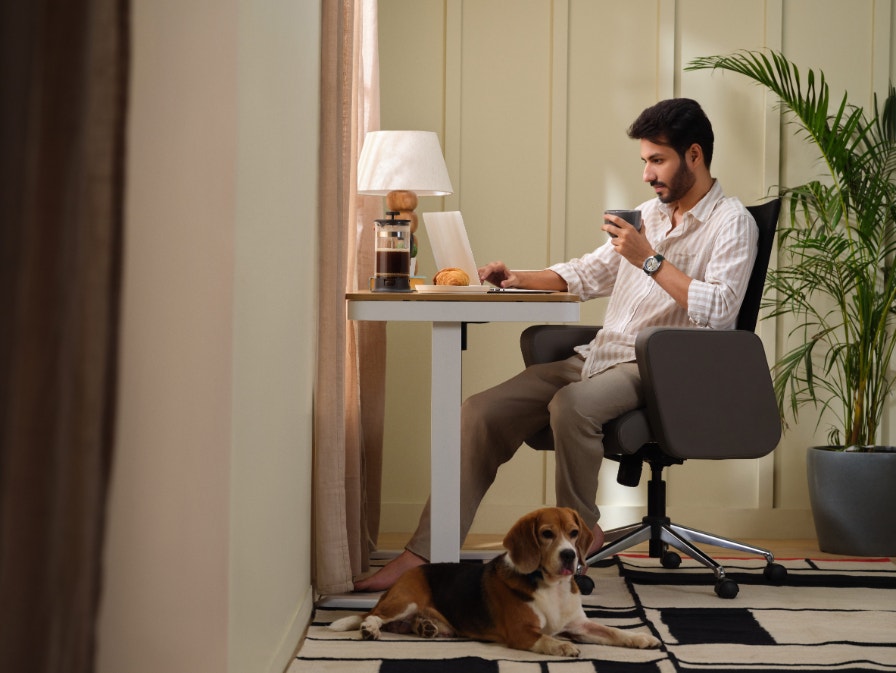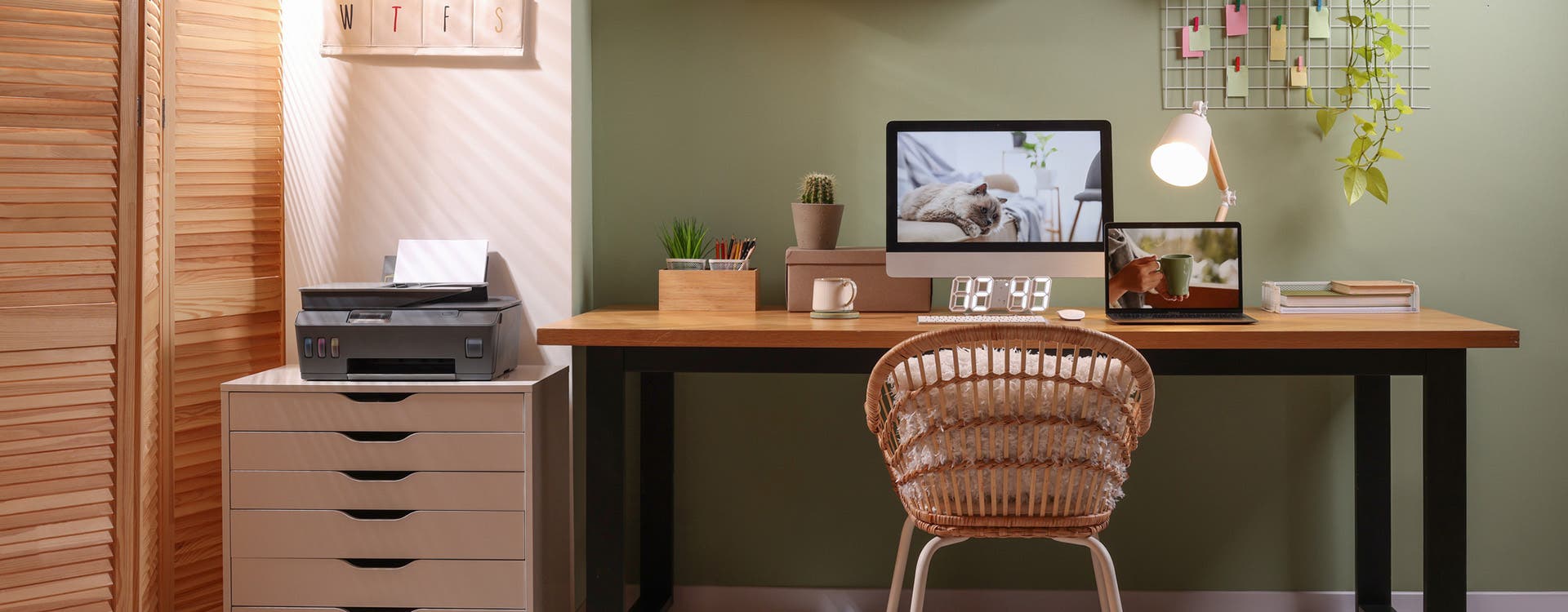
Sticking to a schedule is only half the battle. The other half is the space around you, and it can either work with you or quietly work against you.
A cramped chair, a wobbly table, or a desk that swallows every ounce of your room can chip away at focus before you’ve even opened your laptop. The good news? A few thoughtful furniture choices can change how a study space feels, and how well you actually work in it.
Here are four directions to consider, depending on your space, your habits, and the vibe you’re going for.
1. Ergonomic Furniture, for Effortless Focus
An ergonomic chair does more than support your back. It removes the small distractions—the shifting, the stretching, and the dull ache by evening—so your mind can stay on the work in front of you. Look for:
-
Swivel and tilt mechanisms that move naturally with you
-
Lumbar support to keep your posture in check through long sessions
-
Height-adjustable armrests that adapt to your build, not the other way round
Pair it with a sit-stand desk and you’ve got a setup designed to keep you moving, not stuck in one position for hours. Standing for even part of your day can make a noticeable difference to how alert you feel.
When picking an ergonomic desk, look beyond the height adjustment. A built-in chest of drawers or shelving keeps stationery, folders, and clutter in their place, so your focus stays on your screen, not your search for a pen.
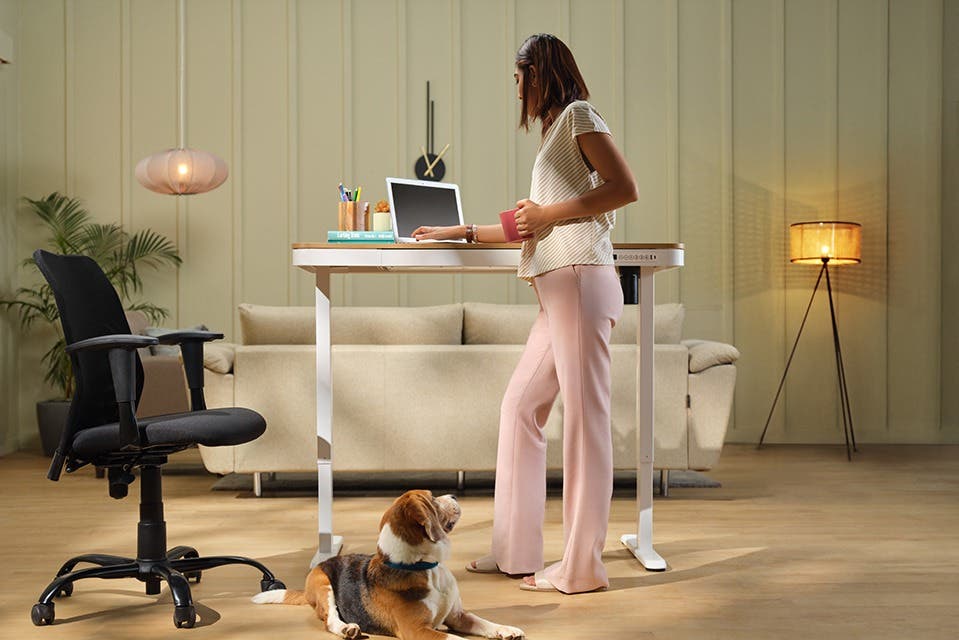 A well-designed ergonomic workspace helps you stay comfortable and focused through longer study sessions.
2. Classic Wooden, for Timeless Calm
There’s a reason wooden furniture never really goes out of style. A sturdy wooden table and chair brings a warmth to a study room that few other materials manage.
Beyond the aesthetic, wooden tables are known for standing up to daily wear far longer than most alternatives, making them a genuinely cost-effective pick over time. For a more conscious choice, look for furniture crafted from responsibly sourced or reclaimed wood. It’s a small decision that adds up to a meaningfully lower footprint.
Wooden chairs won’t come with swivels or height adjustment, but that doesn’t mean comfort has to take a back seat. Add a back and seat cushion, and you’ve got the ergonomics without losing the classic look.
Finally, a wall-mounted wooden shelf and a warm desk lamp round things off nicely, bringing a bit of life into the space that keeps you wanting to sit down and get started.
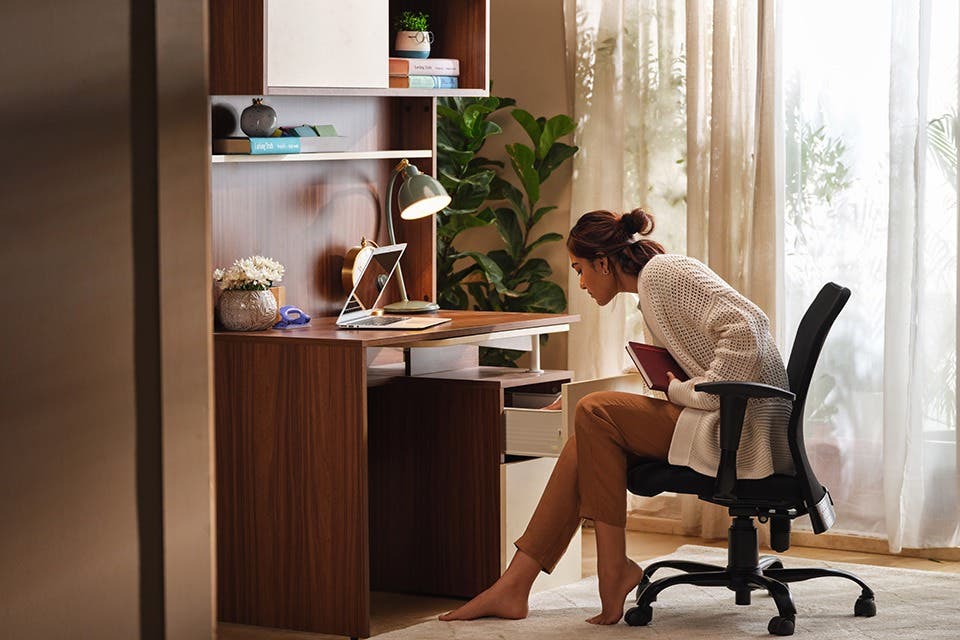 Wooden study furniture creates a workspace that feels warm, organised, and built to last.
3. Minimalistic Options, for a Clear Head
If a cluttered desk leaves you feeling scattered before you’ve even started, minimalism might be your answer. It’s less about having fewer things and more about keeping only what actually earns its place.
Stick to a few primary colours and tones so your furniture blends into the background, letting your work take centre stage.
-
Chairs with a gas-lift mechanism for quick, easy height adjustments
-
Cushioned, moulded shell designs that offer lower back support without extra bulk
-
Simple back and seat cushions if your chair needs a little extra comfort
Minimalist desks often come with drawers and shelving built in, so practicality doesn’t get lost in the pared-back look. Plenty of options manage to be both ergonomic and refreshingly simple. A sleek lamp is the finishing touch.
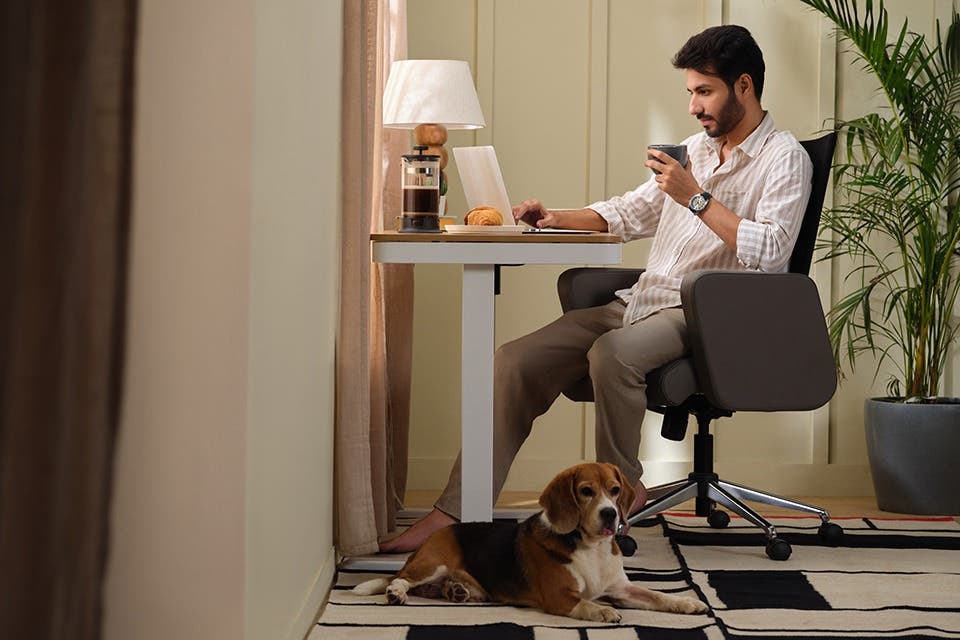 A clutter-free workspace makes it easier to focus on what matters.
4. Space-Saving Furnishings for Smaller Homes
No dedicated study room? No problem. Space-saving furniture is built for exactly this: a functional setup that doesn’t take over the room it’s borrowing.
The key is restraint. A compact desk holds less by design, so keeping clutter in check matters even more here.
Pair a narrow table with a simple, stationary chair, and choose a desk with at least one shelf to keep things tidy without eating into your floor space. Look for compact designs built to slot into tighter corners without feeling like a squeeze.
If your ‘study room’ changes depending on the day, a movable table is worth considering. Look for one with lockable castors, so it stays put once you’ve found your spot, and an adjustable height for whichever chair or sofa you end up working from.
Foldable and stackable desks are another smart option: fold it away once you’re done, and give the room back to whoever needs it next. A wall-mounted shelf or two adds storage without ever touching the floor.
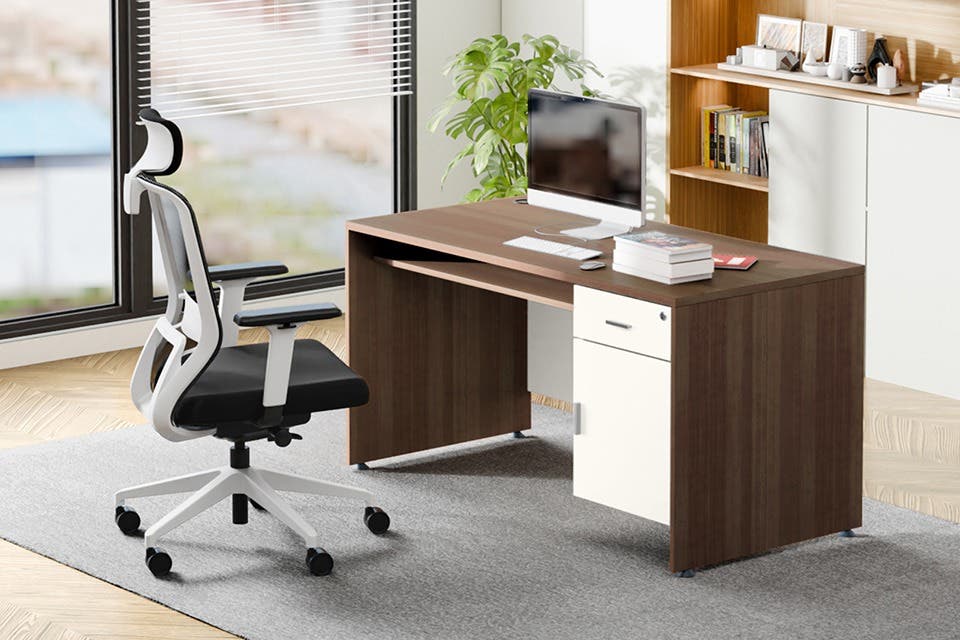 Smart space-saving furniture helps create a productive study area without taking over the room.
A Few Extra Ideas Worth Exploring
You don’t need a finished mood board before you start. Sometimes the best study spaces come together from pieces that simply feel right.
-
An open-design desk with a whiteboard or magnetic board for quick notes and ideas
-
A single-seater couch or ottoman for reading away from the desk
-
A beanbag or swing chair for the moments you need a proper break
Desks like these bring all these extras together without losing sight of function, so your space stays as useful as it is expressive. Interio’s study room collection is a good place to explore options across every style here, from ergonomic to space-saving.
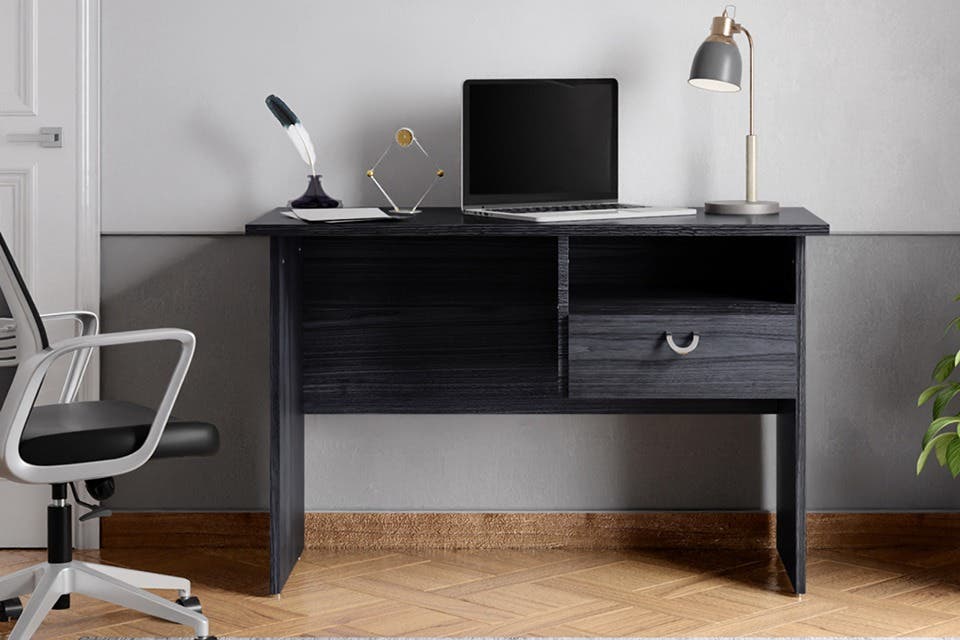 Thoughtful finishing touches help transform a functional workspace into one you’ll enjoy using.
Make It Yours
Whether you’re drawn to clean minimalism or something a little more eclectic, the goal is the same: a space that feels like you. Because productivity looks different for everyone, and there’s no reason it can’t be stylish too.