


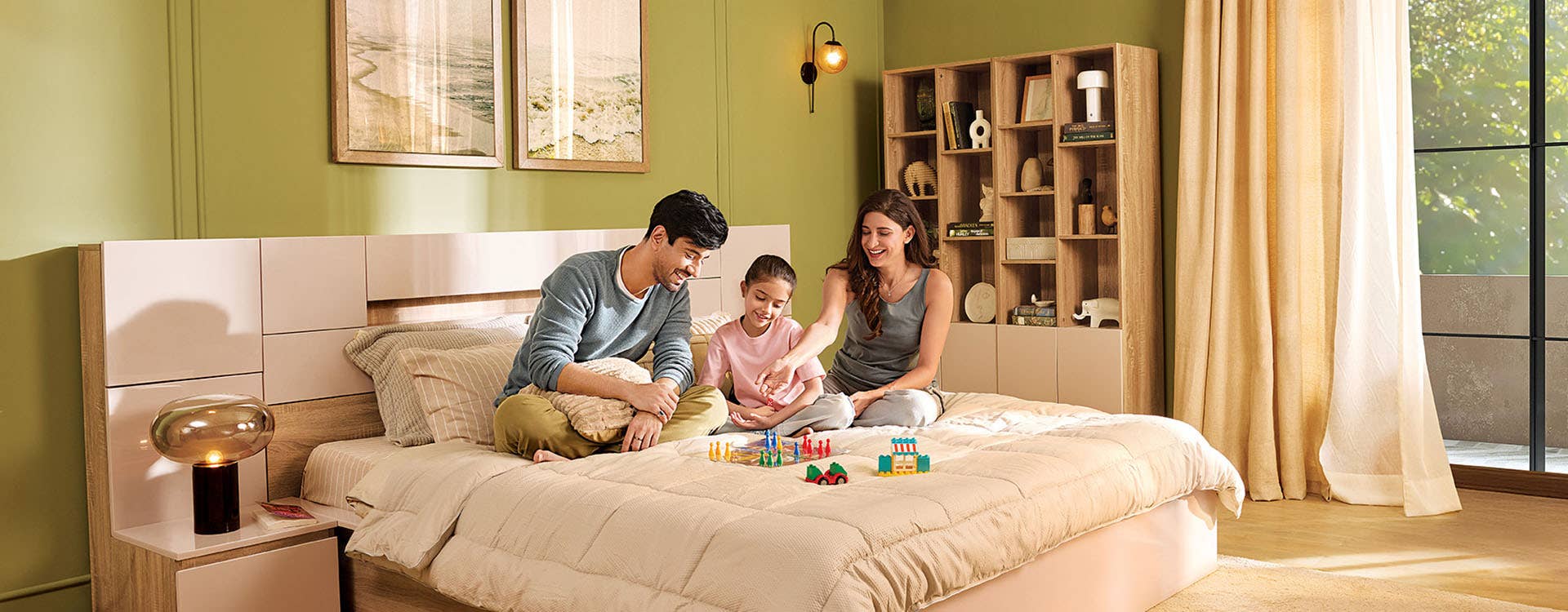
You’ll probably spend longer picking a paint colour than your child ever will. What they’ll actually remember is whether there was room to spread out a puzzle, a bed they could climb into without asking for help, and somewhere close by to dump a backpack the second they walked in.
The furniture in that room shapes more of their day than it gets credit for: how easily they play, how well they focus, how soon they start doing small things on their own without you standing over them. None of this needs to be complicated or expensive. It just needs a bit of intention. Here’s what actually earns a spot in a kids’ room.
Bed – The One Piece Everything Else Is Built Around
Start here, because everything else in the room gets built around it. Bunk beds with stairs remain a favourite, and if you’ve ever watched a child insist on the top bunk like it’s a small personal victory, you’ll understand why. They also free up real floor space in smaller rooms. Consider:
- Bunk beds with storage built into the frame, so a chest of drawers isn’t competing for the same square footage
- Storage stairs, where each step is really a drawer or a hollowed-out compartment
- Trundle beds, an easier way to fit two children into one room without buying two beds
- Single beds with in-built storage to house seasonal clothes and winter blankets
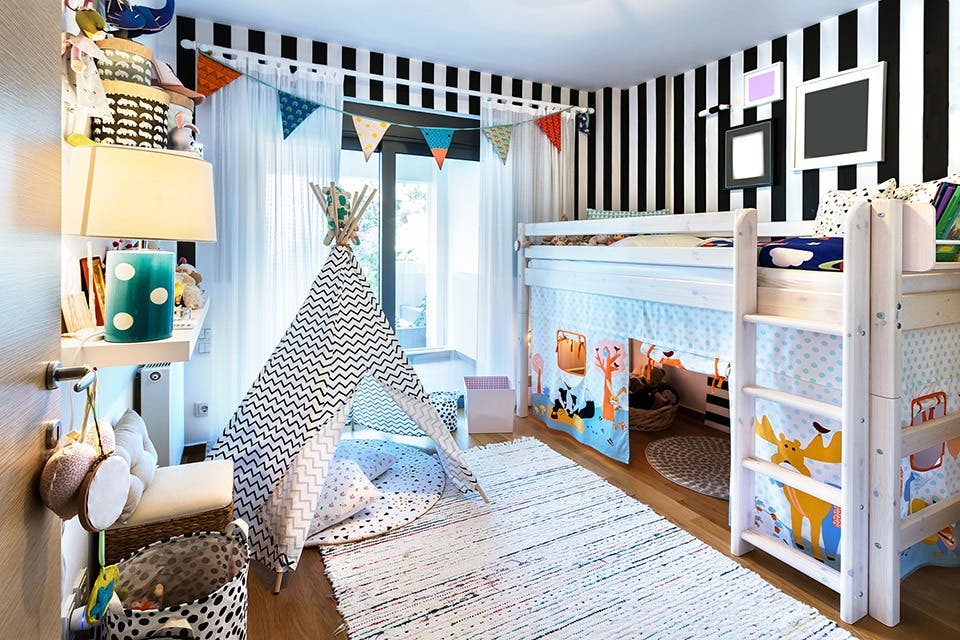 A single bed with play or storage space underneath makes for a fun experience while saving valuable floor space.
Wardrobes – Their First Real Decision
School mornings in most homes aren’t about outfit negotiations; the uniform decides that. But somewhere between the ages of five and eight, kids do start caring, loudly, about what they wear the rest of the time: weekends, birthday parties, the one T-shirt they insist on wearing three days in a row.
A wardrobe gives them somewhere to make that call themselves… badly at first, then a little better each year. It’s a small thing, but it’s often one of the first decisions a child gets to own outright. Pick one that suits the room’s look and let the rest of the storage in the room pick up whatever the wardrobe doesn’t handle.
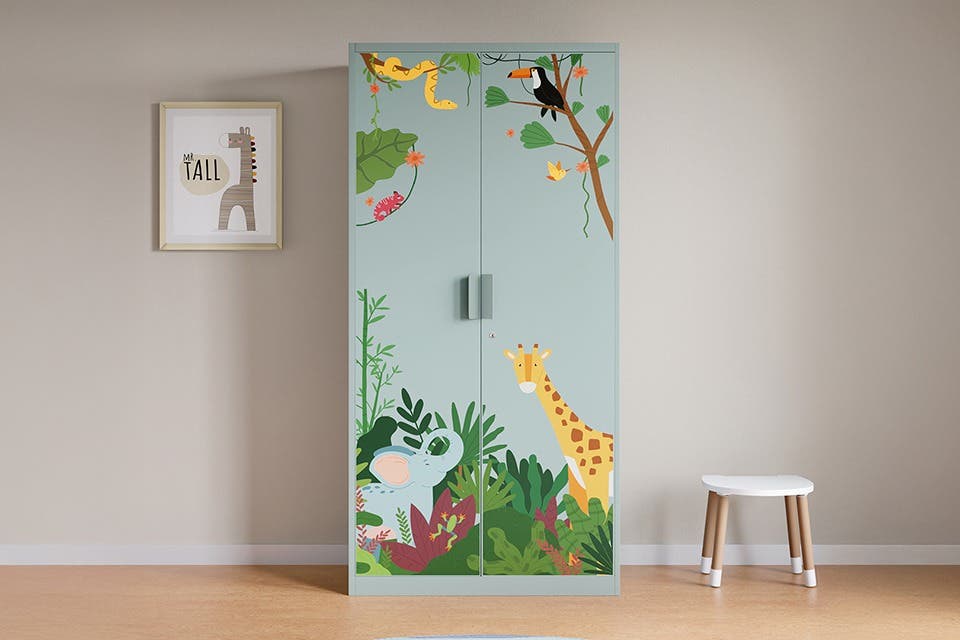 A thoughtfully designed wardrobe keeps clothes and everyday essentials organised.
Dresser and Chest of Drawers – The 30-Second Mirror Check
A dresser with a mirror gets used more than you’d think, from fixing stray strands of hair to the thirty seconds before school when a collar suddenly looks wrong. A chest of drawers alongside it handles the smaller stuff—socks, undergarments, and the odds and ends that would otherwise land up on the floor. Just check the size and edges are built for a child’s height and habits, not an adult’s.
A Desk That Survives Past Week One
A desk shoved in a corner rarely gets used for more than dumping a school bag. What actually gets used is a space with enough surface for books and a laptop, decent light, and a chair that doesn’t leave a kid slouched by page three of their homework. What you need is:
- A properly-sized study chair, not a dining chair borrowed for the job
- A desk organiser or book stand so things stop piling into one heap
- A rechargeable table lamp for the nights when homework runs late
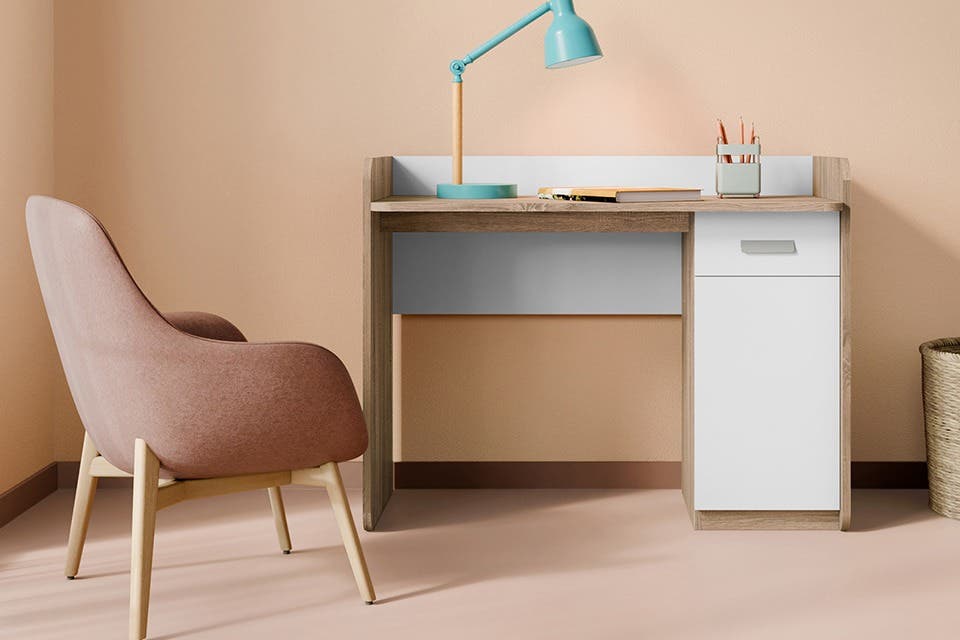 A dedicated study area encourages learning, creativity and focus.
Storage – Where It All Actually Goes
Kids accumulate things at a rate that defies logic: half-finished art projects, one shoe, seventeen tiny plastic figures. It’s not really a discipline problem; most kids simply don’t have anywhere sensible to store odds and ends. Shelves, toy bins, and multi-purpose cases give all of it somewhere to land.
- Open shelving units with colourful bins, which somehow make tidying feel less like a chore
- Under-desk storage for the things they use daily and don’t want to walk far to grab
- Dedicated toy shelves, so the living room doesn’t inherit the overflow
One thing worth remembering: keep the everyday stuff at their eye level, not yours, and tidying up stops needing your help every time.
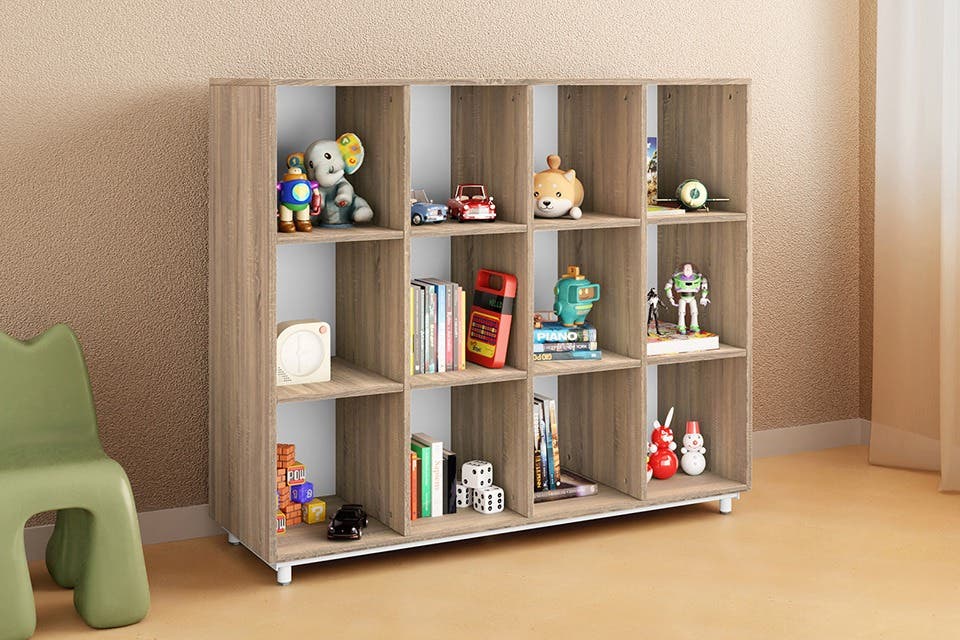 Easy-access storage helps children stay organised every day.
Room Dividers – A Little Privacy, Split Down the Middle
Two kids, one room, and not much privacy for either of them—this is where a divider earns its cost. It doesn’t need to be a wall. Even a simple screen or shelving unit down the middle gives each child a patch of the room that’s genuinely theirs, somewhere to keep their own things without a sibling’s opinion on it. Before picking one, it’s worth asking both kids what they’d want, since they usually have views.
- A screen or panel divider for something flexible and easy to move later
- A shelving unit divider, which splits the room and adds storage in one go
Single-Seater Sofa – Somewhere to Do Absolutely Nothing
Not every activity needs to happen at a desk or in bed. A small sofa gives a child somewhere to read, game, or just sit and do nothing for a while. That downtime matters more than it looks like it does, for kids just as much as for the adults in the house. Size it to the room rather than buying the biggest one available.
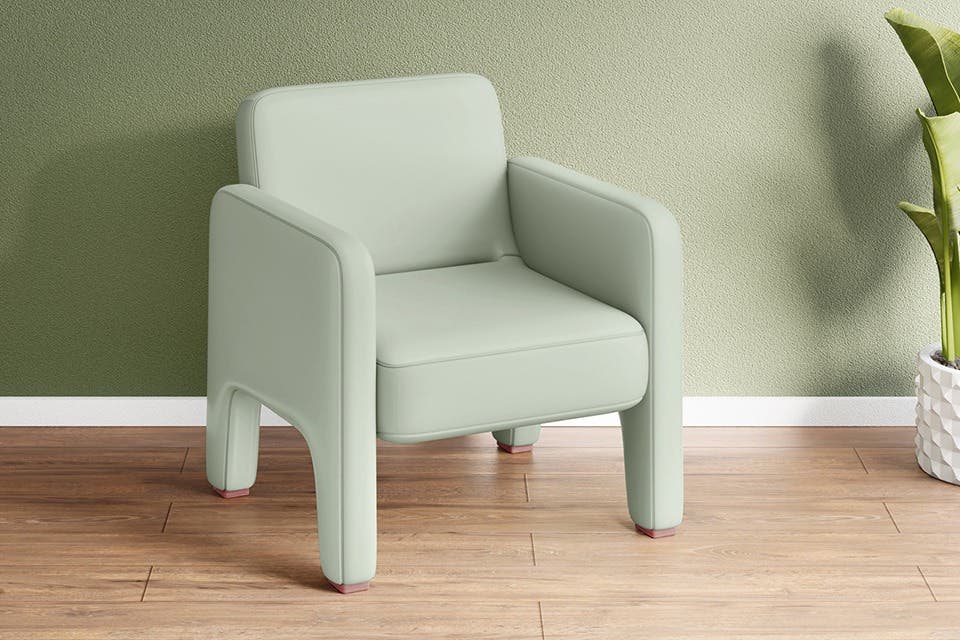 A cosy reading chair creates the perfect spot for quiet moments.
The Finishing Touches That Make It Theirs
From funky lamps to stickers, nourish their individuality early on, and watch how quickly they grow into themselves.
A string of fairy lights or a lamp does two jobs at once: it looks good, and it’s a gentler way into sleep for a child who isn’t quite ready for complete darkness yet.
Small rooms don’t need to feel small, either. Stickers or decals of whatever cartoon they’re currently obsessed with cost next to nothing and take up zero floor space. A gallery wall works the same way: hang their own drawings, or a few prints you picked out together, and the room starts to feel like it genuinely belongs to them rather than to whoever designed the showroom.
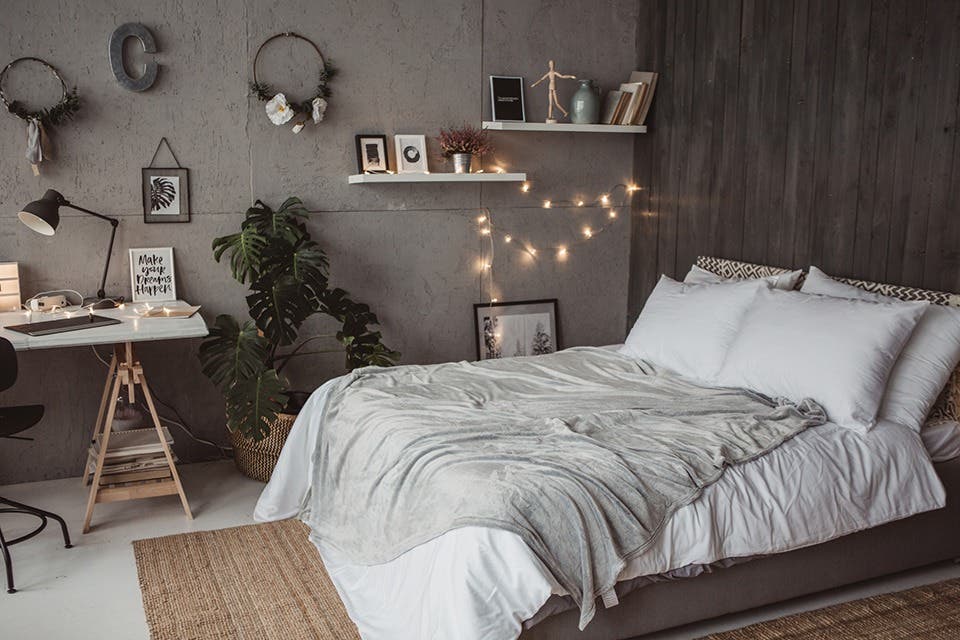 Personal touches make a child’s room feel uniquely their own.
The Short Version
You don’t need a design plan for this. You need a bed, somewhere to put clothes, somewhere to study, and enough storage that the floor stays visible. Everything after that is personality, and children tend to be better than most adults at supplying their own, given half the chance.
Interio covers the full list: beds, wardrobes, desks, storage, and more, so you’re not piecing this together from five different stores. Explore our modular range that not only stays sturdy through the years, but can also grow as your little ones do.


