


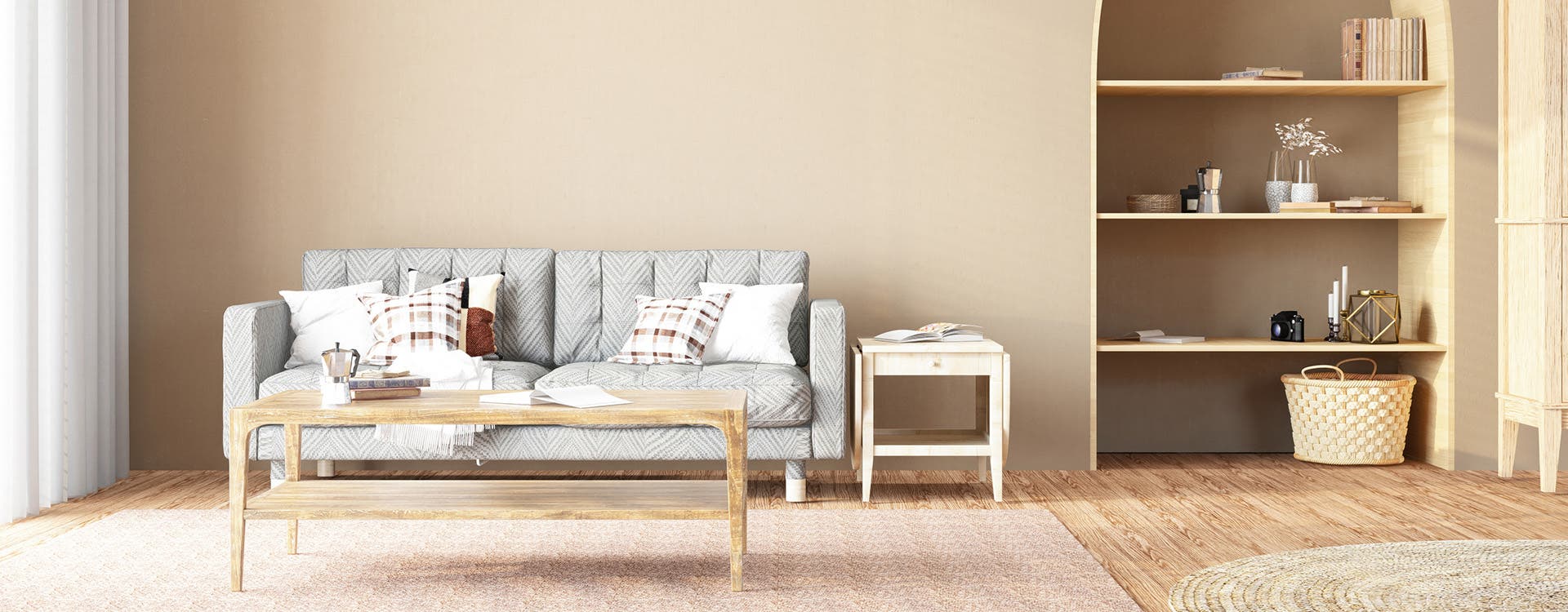
There’s a particular kind of peace that settles over a room when nothing in it is trying too hard. Japandi, that quiet meeting of Japanese restraint and Scandinavian cosiness, has spent decades perfecting exactly that feeling. Layer it into an Indian home, alongside our love for wood, texture and warmth, and you get something rare: a space that feels completely calm and unmistakably yours. Here’s where to begin.
Making Wabi-Sabi and Hygge Feel at Home
Wabi-sabi, a philosophy embraced by Japan centuries ago, finds beauty in imperfection and stillness in the small flaws of everyday life. It runs through Japandi, but it isn’t the whole of it. Japandi also draws on the Scandinavian idea of hygge, that sense of warm, unhurried comfort in the present moment. Put the two together, and you get a style that’s reflective without being austere and cosy without ever feeling cluttered.
Japandi carries the peacefulness of a Scandinavian home and the unhurried feel of a Japanese one, but it never forgets to be useful. In an Indian household, where flexibility matters, this idea fits naturally: think modular sofas, foldable tables, and beds with storage.
Space to Breathe
Minimalism sits at the heart of both Japanese and Scandinavian design, and it starts long before you buy anything new. Clearing a room of what it doesn’t need is its own kind of relief, and the space that’s left behind starts to feel less like a room and more like a place to exhale.
Let go of walls and dividers where you can and let one space flow gently into the next. A shoji screen, the traditional Japanese sliding door, does this beautifully: it opens a room up without giving up on privacy entirely. Pair it with a neutral palette, and the calm practically designs itself. The goal was never to strip away character. It’s to let the character you already have stand out.
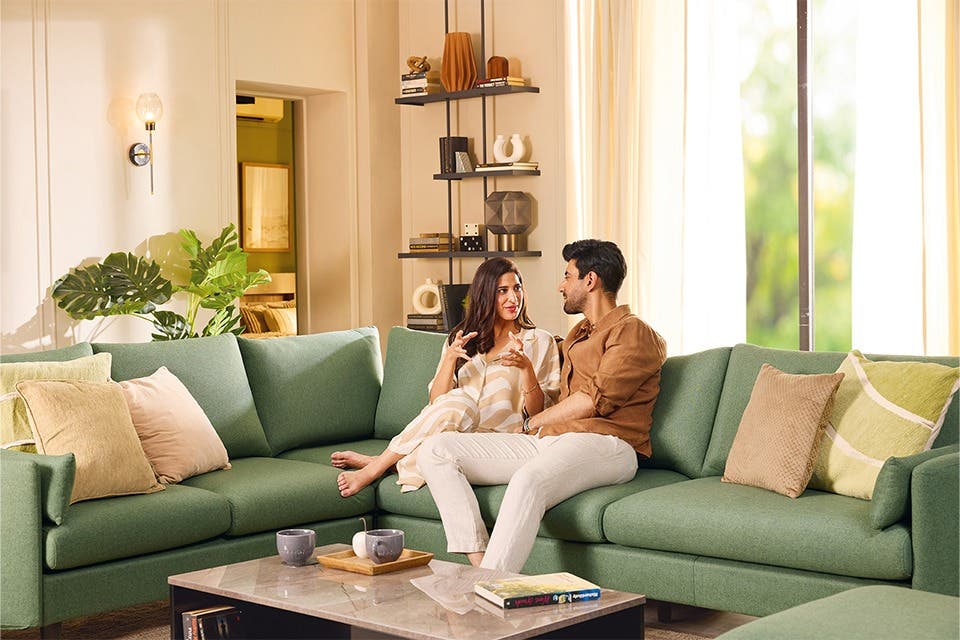 Straight, clean lines create a home that feels calm without feeling empty.
Textures That Feel Like Home
Japanese and Scandinavian design both lean on what nature already does best: wood, stone, bamboo. Bring these into an Indian home and they settle in immediately, especially since so many of our homes already have rattan and wicker furniture doing exactly this job.
- Textiles: Linen, cotton and wool bring warmth into upholstery, curtains and cushions. A subtle geometric or organic motif nods to Japanese pattern work without shouting about it.
- Stone: Slate, marble or concrete on a countertop or floor adds quiet elegance and a sense of longevity.
- Paper: Shoji screens and rice paper lamps cast the kind of soft, diffused light that makes a room feel gentler the moment you walk in.
- Ceramic and porcelain: Handcrafted tableware and décor pieces bring a sense of craft and care into everyday objects.
|
|
|
A Palette That Feels Like A Hug
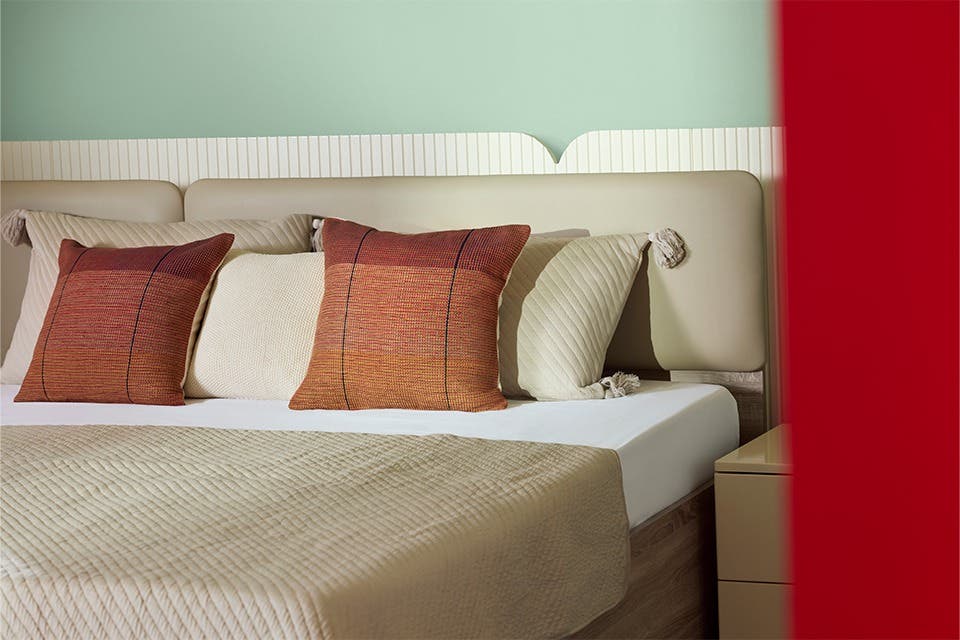
Japandi leans on muted, earthy tones drawn straight from nature. In an Indian home, there’s no need to choose between that calm and our own colour heritage. Soft greys, warm whites, pale blues and gentle greens sit easily alongside a deep red or a rich yellow, used sparingly, the way a favourite spice lifts a simple dish.
These tones rarely go out of style, and they play beautifully with both light and dark wood. The result is a home that feels as calm as it does culturally, unmistakably yours.
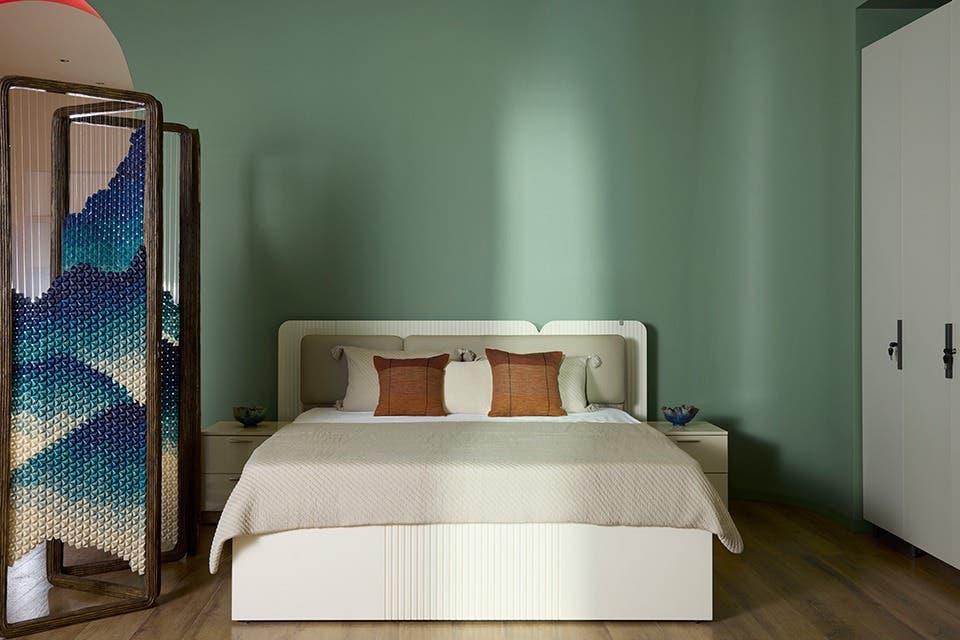 Earthy colours against calm hues create a timeless backdrop for natural materials.
Bringing the Outside In
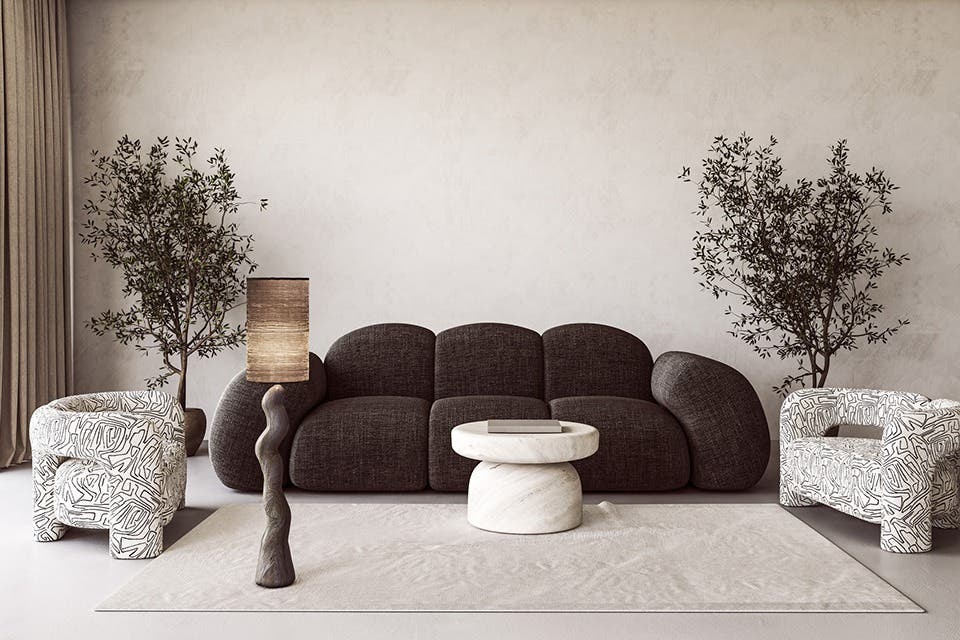
Nothing settles a room like a living thing in it. A few well-placed plants, a bonsai on a side table, bamboo in the corner, and a Japandi home starts to feel like it’s breathing along with you. If you want a real focal point, one tall, lush tree can anchor an entire room and quietly clean the air while it’s at it.
Light That Wraps Around You
Both Japanese and Scandinavian design treat lighting as more than a practical afterthought. Japandi asks for light that’s soft and diffused: paper lanterns, pendant lights, and a floor lamp in the reading corner. Add a candle or an oil lamp in the evening, and the room takes on a warmth that feels close to the way many Indian homes already light a diya at dusk, a small ritual, doing a lot of quiet work.
For the fittings themselves, keep it simple: sleek black or white finishes that let light and shadow do the decorating, sitting easily alongside natural wood and texture.
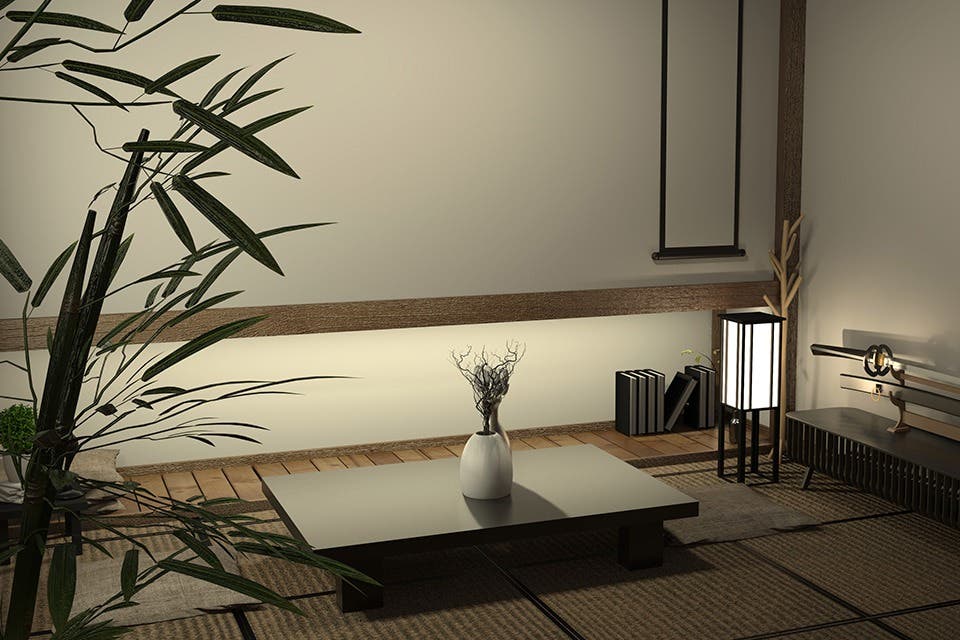 Soft, diffused light is where the calm really lives.
A Home That Feels Like Both Worlds
Bringing Japandi into an Indian home isn’t about choosing between two cultures; it’s about letting them sit comfortably in the same room. Keep things simple, lean on natural materials, choose furniture that works as hard as you do, and let the colours and light do the rest. What you’re left with is a home that feels genuinely calm and, unmistakably, culturally yours.


